Fanatics-Owned Trading Card Brand Lands Historic FIFA Collectibles Deal
For decades, FIFA World Cup sticker albums and trading cards were almost synonymous with Panini. That era is now officially coming to an end. FIFA has signed a long-term licensing agreement with Topps — the collectibles brand owned by sports merchandising and bookmaker-linked giant Fanatics — to produce official FIFA trading cards, stickers, and collectibles beginning in 2031.
New Era for FIFA Collectibles
The move marks one of the biggest commercial shake-ups in football memorabilia history and signals FIFA’s intention to modernize its collectibles business ahead of a new generation of global tournaments. Panini will continue producing FIFA collectibles through the 2030 FIFA World Cup before Topps fully takes over in 2031. The transition ends a partnership that has been deeply tied to football culture since the 1970 World Cup.
For millions of fans around the world, collecting Panini World Cup stickers has become a tradition passed down through generations. Swapping duplicates at schoolyards, filling albums during summer tournaments, and chasing rare player cards became as much a part of the World Cup as the football itself.
Now, FIFA appears ready to evolve that experience with Fanatics-owned Topps, bringing a more American-style collectibles model into global football.
Why Fanatics’ Involvement Matters
Fanatics has rapidly expanded across sports merchandise, collectibles, and digital fan engagement over the last several years. The company acquired Topps in 2022 and has since integrated the iconic card producer into a broader global sports ecosystem.
The involvement of a Fanatics-owned brand is especially notable because Fanatics has also developed strong connections in the sports betting and gaming industries through partnerships, sponsorships, and fan-engagement initiatives. That crossover between sports collectibles, betting culture, and digital fandom is becoming increasingly common across major sports leagues.
As Fanatics continues expanding its influence across sports merchandise, collectibles, and fan engagement, the company’s growing connection to football culture has also increased attention around betting-related ecosystems surrounding the sport. Many fans following that side of the industry often explore resources such as FIFA bookmakers, our platform dedicated to reviewing bookmakers and comparing features, where Fanatics has its own place.
FIFA Wants Bigger Global Market
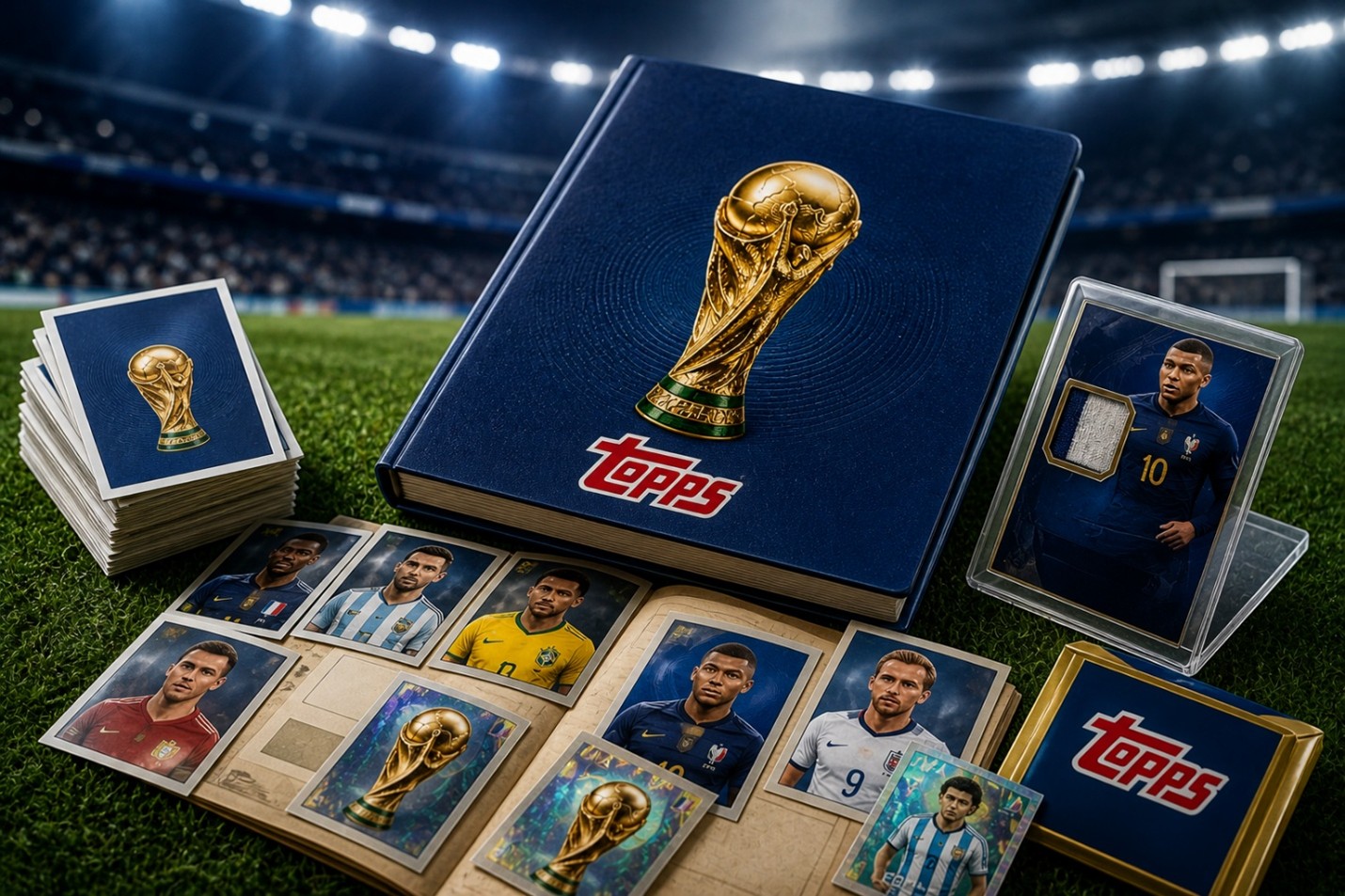
The agreement is expected to stretch far beyond traditional sticker albums. Reports suggest Topps plans to introduce premium collectible formats already popular in U.S. sports, including jersey patch cards featuring authentic match-worn player material.
Fanatics and FIFA are also reportedly discussing global promotional campaigns and large-scale collectible giveaways tied to future tournaments. The 2026 FIFA World Cup in the United States, Canada, and Mexico is expected to play a major role in that expansion strategy.
The timing is hardly accidental. FIFA is aggressively targeting the North American market ahead of the expanded 48-team World Cup, and Fanatics is one of the most powerful sports merchandising companies in the U.S.
End of Iconic Partnership
Even though the Topps era won’t officially begin until 2031, the announcement has already sparked emotional reactions among football fans and collectors online.
Panini’s World Cup albums became iconic cultural artifacts, particularly in Europe and South America. Many supporters see the change as the end of a football tradition rather than just a business deal.
At the same time, younger collectors may welcome Topps’ more premium and digitally integrated approach. Modern sports card markets have exploded in value over recent years, with rare cards now selling for massive sums through auctions and private sales.
FIFA clearly believes the future of collectibles lies in blending nostalgia with high-end modern collecting culture.
As of 2031, Football Collectibles Landscape Could Look Very Different
Panini still holds the rights through the 2030 World Cup, meaning fans will likely see at least one more classic World Cup sticker cycle before the transition becomes official.
After that, the football collectibles landscape could look very different. Between digital integration, premium collectibles, fan rewards, and Fanatics’ global commercial reach, FIFA’s partnership with Topps may reshape how football supporters interact with tournaments off the pitch for years to come.

FAQ