
One-time TI champions Tundra Esports End Competitive Operations to Pursue Media-First Future
Tundra Esports has announced one of the most surprising pivots in recent eSports memory, stepping away from competitive gaming entirely and repositioning itself as a media-focused brand. The move comes despite the organization enjoying considerable success in recent years, particularly in Dota 2, where it remained one of the scene’s most recognizable and successful names. Rather than continuing to operate professional rosters, Tundra will now focus on content creation, eSports coverage, and digital media initiatives, signaling a dramatic shift in strategy for a company that was once known primarily for winning tournaments.
From Championship Contenders to Content Platform
Tundra’s announcement confirmed that they’ll no longer field competitive teams across any eSports title. Instead, the company plans to transform itself into a dedicated media hub covering eSports news, stories, and industry developments. The change effectively ends the London-based organization’s role as a traditional eSports organization, at least in its current form.
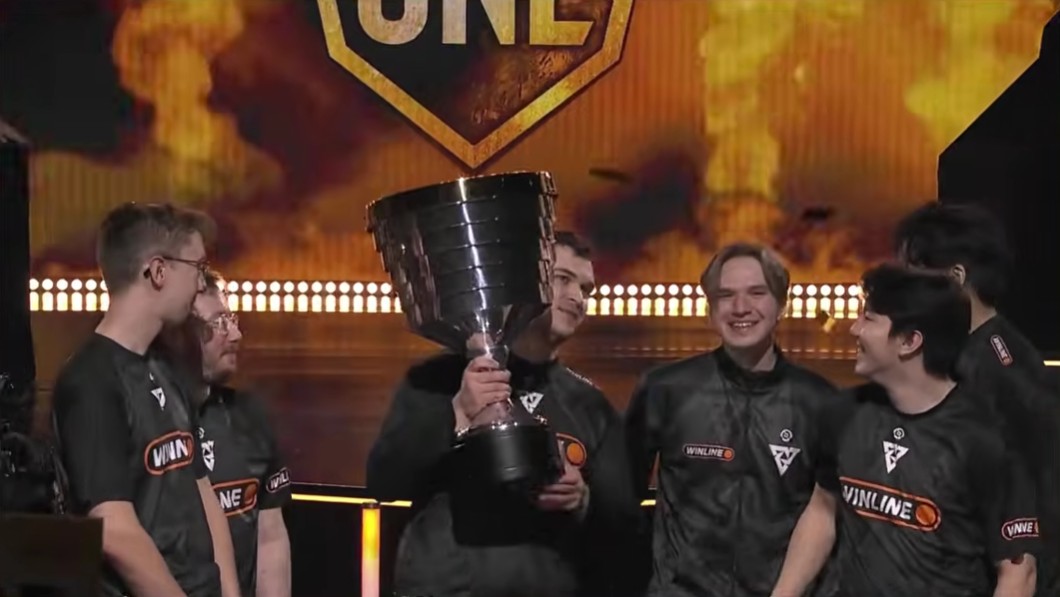
The decision surprised many fans because it arrived shortly after a period of competitive success. Tundra had established itself as one of the most respected brands in eSports, particularly through its Dota 2 division, which delivered major tournament victories and built a strong global following. The organization also carried significant prestige from its historic achievements, including winning some of the biggest events in competitive gaming, such as the most prestigious of all, The International (TI) in 2022. This season, they’ve already amassed four titles, with March’s ESL One Birmingham as the latest.
Changing Business Model
The eSports industry has experienced growing financial pressure over the past several years. Rising operational costs, fluctuating sponsorship revenue, and increasing competition for audience attention have forced many organizations to rethink how they generate income.
Content and media operations often provide more predictable revenue opportunities than maintaining expensive player rosters. Advertising, sponsored content, video production, and audience-focused platforms can sometimes offer a clearer path to sustainability than competitive results, which can vary dramatically from season to season. Tundra’s move appears to reflect this reality.
By shifting its resources toward media production, the UK organization is betting that audience engagement may prove more valuable than tournament participation in the long term. For fans looking to stay involved in the competitive side of the scene, finding a trusted eSports bookmaker remains one of the best ways to keep the stakes high even as the rosters and organizations around them continue to evolve.
What Happens to Tundra Players?
One of the most immediate consequences of the transition involves Tundra’s competitive talent.
Reports indicate that the organization’s highly successful Dota 2 roster has already moved elsewhere, with the players continuing their careers under a new banner rather than remaining with Tundra. The departure effectively closes a successful chapter for a lineup that achieved notable results on the international stage.
For fans, the shift means the Tundra name will no longer appear in tournament brackets, at least for the foreseeable future. Instead, supporters can expect to see the brand associated with content, news coverage, social media projects, and other digital initiatives.
Could Other Organizations Follow?
Tundra’s decision may become a closely watched case study for the eSports industry.
While most major organizations continue to prioritize competition, the economics of esports remain challenging. If Tundra successfully build a sustainable media business, other organizations could consider similar strategies, particularly those struggling to balance competitive ambitions with financial realities.
At the same time, the move carries risks. Competitive success helped build Tundra’s reputation in the first place, and leaving that ecosystem behind could make it harder to maintain relevance in an industry where tournament results often drive fan engagement.
Whether the pivot proves visionary or premature, Tundra Esports have undoubtedly chosen a path few major organizations have attempted before. The coming months will reveal whether a media-first model can thrive where traditional eSports operations have increasingly faced challenges.

FAQ
More tips on Dota 2



Ivory

Carstensz Esports


Natus Vincere

MOUZ






REKONIX

Yangon Galacticos