Esports Foundation Picks 40 Global Clubs for Club Partner Program
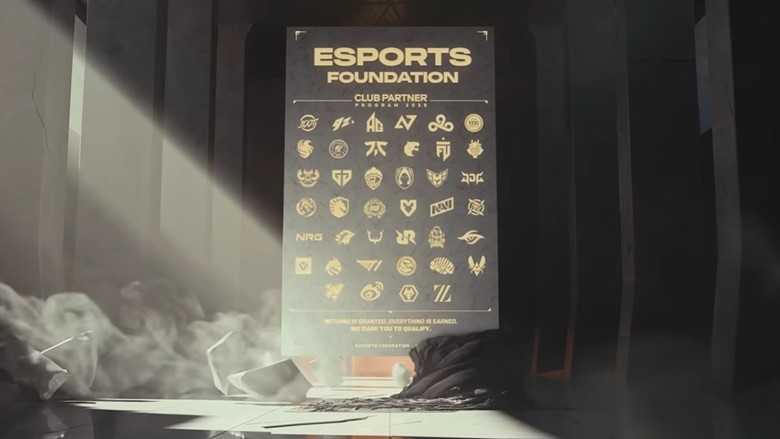
The Esports Foundation has unveiled the 40 organizations selected for its 2026 Club Partner Program. The announcement underscores how central club brands have become to the business of competitive gaming, as organizers continue to push for a more sustainable global esports ecosystem.
Big Names Make the Cut
This year’s Esports Foundation program carries a total commitment of $20 million, with selected clubs eligible for up to $1 million each in support. The initiative is now in its third year and is designed to help organizations grow their audiences, strengthen operations, and build longer-term commercial stability ahead of and during the Esports World Cup 2026.
The 2026 lineup, curated by a Saudi Arabian non-profit organization dedicated to growing the global eSports sector, is packed with some of the biggest brands in eSports. Alongside. The list includes Gen.G, T1, Fnatic, G2 Esports, NAVI, Team Liquid, Team Vitality, Sentinels, JD Gaming, Edward Gaming, Weibo Gaming, Team Falcons, and Virtus.pro. The selected clubs span North America, Europe, Asia, Latin America, the Middle East, and other fast-growth regions.
The inclusion of those teams is notable but hardly surprising. All organizations have built strong international followings and remain deeply influential across multiple titles. Their selection reinforces their nation’s continued weight in the global eSports scene, even as the industry becomes more geographically diverse.
More Than Prize Money
The Club Partner Program isn’t just a cash injection. According to the Esports Foundation, the scheme combines direct funding with strategic guidance and international exposure, giving clubs more tools to expand their brand reach and deepen fan engagement. Over the past three years, the wider initiative has distributed more than $100 million through club support and related championship programs.
That matters because esports organizations have spent years searching for a more reliable business model. Many top clubs have built huge fan communities but still struggle to turn a profit, especially when sponsorship markets tighten or game ecosystems shift. Programs like this are meant to ease some of that pressure while keeping top organizations invested in the wider Esports World Cup ecosystem.
Why 2026 List Matters
The announcement also shows where the industry is heading. The Foundation said the 40 selected clubs collectively reach more than 300 million fans worldwide, a reminder that esports is increasingly being shaped by club identity as much as by individual games or players. In other words, the teams themselves are becoming global media brands.
For fans, that means more international storytelling, more content, and more crossover between competitive results and brand-building. For the betting side of esports, it also means a sharper focus on established organizations with proven reach and multi-title relevance. Anyone following that side of the market will already know how important recognizable clubs are when comparing form, audience momentum, and tournament value across an esport bookmaker landscape.
Bigger Push for eSports Stability
Ultimately, this is about more than who made the list. The Esports Foundation is trying to position elite clubs as the backbone of a more connected and commercially durable esports industry. By backing 40 organizations with money, visibility, and infrastructure support, it is effectively betting that club-led ecosystems can help stabilize a scene that has often grown faster than its financial foundations.
For the selected field of teams, the program offers both prestige and practical support. For the industry, it’s another sign that the race to build sustainable esports is far from over, but it is becoming more structured.

FAQ