Iran Warns of World Cup Match Disruptions Amid Growing Political Tensions
With the 2026 FIFA World Cup set to begin on June 11, controversy surrounding Iran’s participation has intensified after Iranian officials warned, “minutes” leading to the competition start, that matches involving its national team could be interrupted if supporters display unauthorized political symbols or direct hostile slogans at players during games.
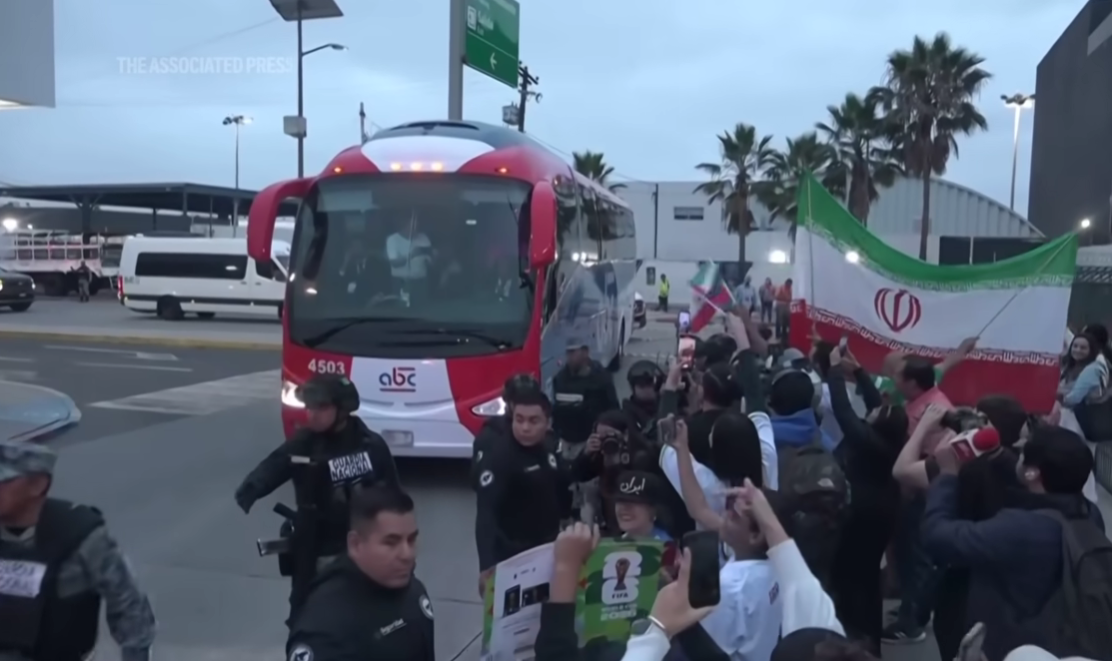
The warning comes at a time when Iran’s presence at the biggest football event ever is already under scrutiny, with anti-government activists and some members of the Iranian diaspora using the World Cup stage to criticize the country’s leadership. The situation has added another political dimension to a tournament that FIFA hopes will remain focused on football.
Government Raises Concerns Over Stadium Protests
According to Iranian media reports, Sports Minister Ahmad Donyamali stated that Iran could refuse to continue playing matches if prohibited flags are displayed in stadiums or if chants targeting the national team become widespread during games. The comments were made as debate over Iran’s participation continues to grow ahead of its opening fixture.
The issue largely revolves around political symbolism. Some opposition groups have previously used sporting events to display flags associated with pre-revolutionary Iran or to criticize the current government. Similar demonstrations have taken place at international football matches in recent years, particularly in countries with large Iranian expatriate communities.
World Cup Preparations Already Facing Obstacles
The latest warning follows a series of complications affecting Iran’s World Cup preparations. Earlier this week, Iranian football officials complained that their allocation of supporter tickets for matches in the United States had been withdrawn, potentially preventing many fans from attending games through official channels. FIFA has said discussions are ongoing to find solutions for Iranian supporters.
Political tensions have also influenced logistical planning. Iran relocated its World Cup training base to Tijuana, Mexico, rather than the United States, while visa-related concerns have affected some members of its delegation. These issues have contributed to an increasingly complicated build-up to the tournament.
Activists Continue Campaign Against Iran’s Participation
Pressure has also come from activists who argue that Iran should not be allowed to participate in the competition. Demonstrators recently gathered in Los Angeles and at previous FIFA events to call for the country’s exclusion, citing human rights concerns and the government’s treatment of political opponents and athletes.
FIFA hasn’t indicated any intention to remove Iran from the tournament, and the national team remains scheduled to compete in Group G. However, the protests have increased concerns that matches involving Iran could become flashpoints for political demonstrations once the competition begins.
Focus Remains on Pitch
Iran’s players now face the challenge of preparing for football while navigating a highly charged political environment. The team is scheduled to begin its World Cup campaign against New Zealand at the Los Angeles Stadium on June 15 before facing Belgium and Egypt later in the group stage.
While fans around the world are concentrating on the sporting side of the tournament and following odds from various FIFA bookmakers, organizers will be hoping that events on the pitch remain the main story. Yet with political tensions surrounding Iran continuing to escalate, keeping football separate from wider global issues may prove difficult throughout the tournament.

FAQ