World Cup 2026 Host Cities Guide: All 16 Venues Explained

Contents

 Best Bookmakers for United States





KEY TAKEAWAYS:
- The 2026 FIFA World Cup spans 16 venues across three countries, with the US hosting the lion’s share.
- Mexico’s venues are the most historically loaded, with Estadio Azteca having hosted two previous World Cup finals.
- Geographic grouping into three regions (Western, Central, Eastern) keeps travel manageable for fans and teams.
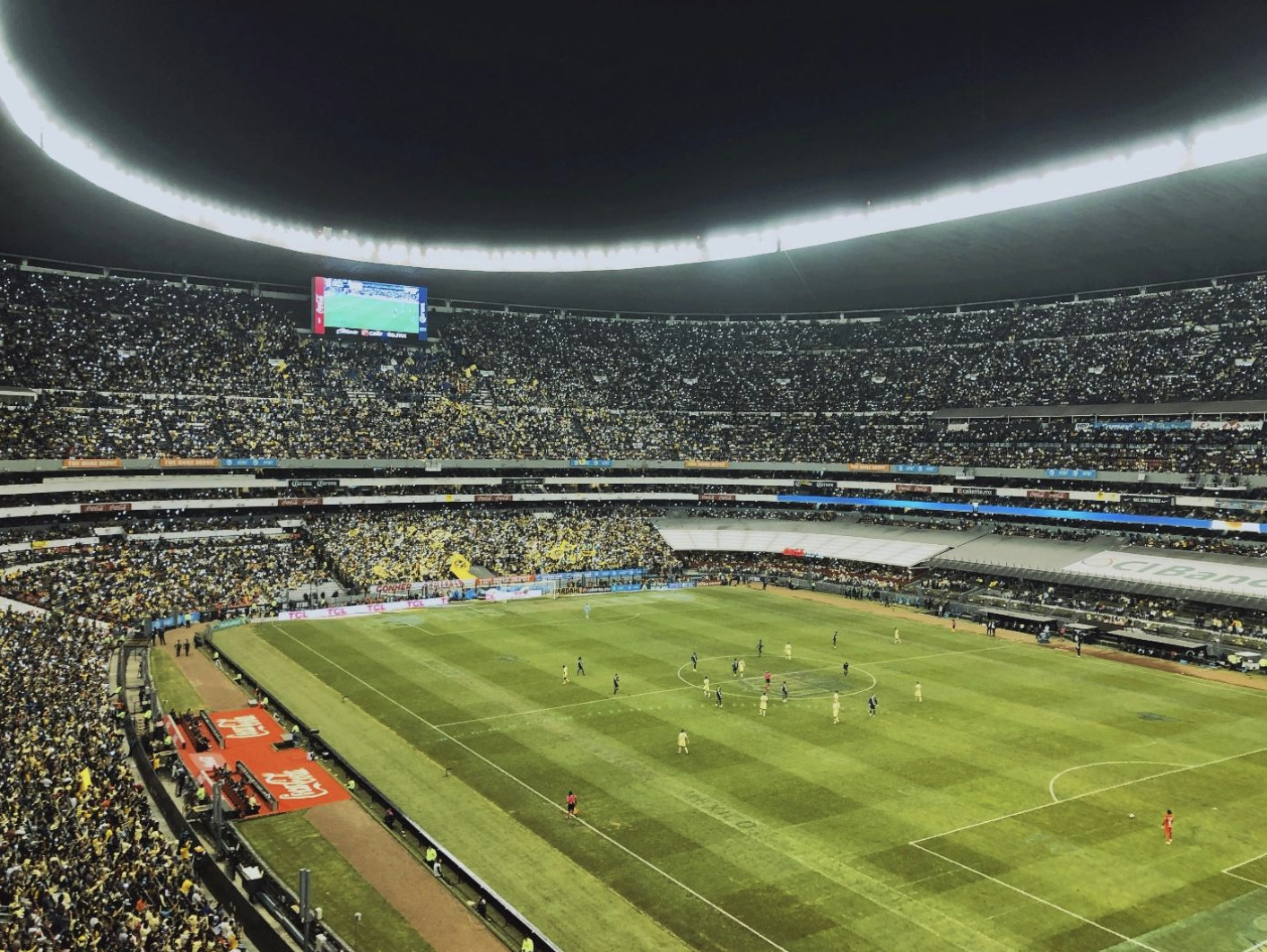
Image: Estadio Azteca (https://unsplash.com/photos/group-of-people-playing-soccer-ovwLVTGS78c)
Mexico (3 Venues)
Mexico is the only country in this tournament to have hosted the World Cup twice before — in 1970 and 1986 — and its three venues carry that historical weight. All three cities sit in the Central Region, and fans attending matches here should prepare for altitude, heat, and the kind of passionate home support that can make Latin American football feel like nothing else on earth.
1. Mexico City — Estadio Banorte
Few venues in football carry the weight of Estadio Azteca (Estadio Banorte for sponsorship reasons). Built in 1966 and used for both the 1970 and 1986 World Cup finals, it’s the only stadium in history to host two World Cup final matches — and in 2026 it will be the site of the tournament’s opening game on June 11.
The Azteca seats approximately 83,000 fans and sits roughly 2,240 meters above sea level, a factor that has historically disrupted visiting teams throughout the decades. Mexico City’s altitude, combined with the rainy season conditions typical of July, makes this one of the most physically demanding venues in the competition. The opening fixture is confirmed as Mexico vs. South Africa.
For full group assignments and a tournament overview, see the complete FIFA World Cup 2026 guide at Bookmaker Expert.
2. Guadalajara — Estadio Akron
Home of Liga MX club Chivas de Guadalajara, Estadio Akron is the most modern of Mexico’s three venues. Opened in 2010, the bowl-shaped stadium seats around 49,850 spectators under a partial roof, which gives it excellent acoustics.
Guadalajara is Mexico’s second-largest city, with a vibrant food and cultural scene built around mariachi music and tequila production. Estadio Akron is the only World Cup venue not scheduled to host a knockout-stage fixture, making it exclusively a group-stage venue in 2026.
3. Monterrey — Estadio BBVA
Estadio BBVA, home to Rayados de Monterrey, sits in the foothills of the Sierra Madre Oriental and is regarded as one of the finest club stadiums in Latin America. It holds around 53,500 fans and has a reputation for an intense, passionate atmosphere.
Monterrey is the industrial and commercial capital of northern Mexico, situated just a few hours from the US border, making it particularly accessible for American and cross-border fans. The venue is scheduled to host four matches during the 2026 group stage.
Canada (2 Venues)
Canada is making its World Cup debut as a host nation in 2026, with just two venues carrying the full weight of that milestone. Both cities — Toronto and Vancouver — bring strong football cultures and world-class infrastructure, though they sit in different geographic regions of the tournament, with Toronto in the East and Vancouver in the West.
4. Toronto — BMO Field
Toronto serves as Canada’s footballing heartland, and BMO Field — home of Toronto FC — will host the Canadian national team’s opening group match on June 12. With a capacity of around 45,000 configured for the World Cup, it’s one of the smaller venues in the tournament, but its compact design creates an intimate and electric atmosphere.
Toronto is one of the most multicultural cities on earth, which should translate into a vibrant mix of fans from across the globe. The city’s downtown waterfront location and extensive transit network make matchday logistics straightforward for visiting supporters.
5. Vancouver — BC Place
BC Place, the home of the MLS side Vancouver Whitecaps, is the most versatile stadium in the tournament. Originally opened in 1983, it underwent a full renovation in 2011 that included the addition of a retractable roof, allowing it to manage the notoriously unpredictable Pacific Northwest weather. It holds around 54,500 fans for World Cup matches.
Vancouver is one of the most scenic cities in North America, framed by mountains and ocean, and is already well-established as a host of major international sporting events, having staged the Opening and Closing Ceremonies of the 2010 Winter Olympics. The city is in the Western Region and will also host a round-of-16 fixture.
United States (11 Venues)
The United States is the dominant host of 2026, staging 78 of the 104 matches — including every game from the quarterfinals onward. Its 11 venues are spread across all three regional zones and range from enclosed, air-conditioned behemoths in Texas to open-air coastal stadiums on both coasts. The US last hosted in 1994, and this time the scale is considerably larger.
6. Atlanta — Mercedes-Benz Stadium
The FIFA World Cup Atlanta venue is one of the standout hosting assignments throughout the tournament. Mercedes-Benz Stadium is one of the most technologically advanced arenas in the world. Opened in 2017, it features a retractable roof inspired by the Pantheon in Rome, a 360-degree panoramic LED halo screen with 37 million LEDs, and a capacity of 75,000 for World Cup matches. It is home to the NFL’s Atlanta Falcons and MLS club Atlanta United, and it has already hosted Super Bowl LIII and multiple Copa América fixtures.
The stadium in Atlanta will host eight matches in 2026 — five group stage games, a round of 32, a round of 16, and one of the two semi-finals on July 15. That makes FIFA World Cup Atlanta one of the most important hosting assignments outside of New York, with a semi-final place guaranteeing it a central role in the tournament’s climax. The venue is accessible via MARTA’s Blue and Green metro lines, and Hartsfield-Jackson Atlanta International Airport — the world’s busiest — ensures global connectivity for traveling fans.
7. Miami — Hard Rock Stadium
Hard Rock Stadium in Miami Gardens is the home of the NFL’s Miami Dolphins and hosts the Formula 1 Miami Grand Prix, among other marquee events. Its World Cup capacity is set at approximately 65,000.
Miami is Florida’s global gateway city — multilingual, cosmopolitan, and football-mad — which makes it a natural fit for a World Cup assignment. The stadium hosted the final of the 2016 Copa América, when Chile defeated Argentina, giving it a strong recent pedigree in major South American football.
8. Dallas — AT&T Stadium
The largest stadium in the NFL, AT&T Stadium in Arlington, Texas, seats 94,000 fans and is commonly nicknamed the “Death Star” for its imposing scale. It features a retractable roof and full climate control, making it one of the most comfortable large-capacity venues in the world.
Dallas will host multiple knockout stage matches, including one of the semifinals on July 14. The city has strong MLS representation through FC Dallas and brings a tradition of hosting big events to 2026.
9. Los Angeles — SoFi Stadium
Built specifically for the 2026 World Cup era and completed in 2020, SoFi Stadium in Inglewood is the most expensive stadium ever constructed, costing more than $5 billion. Home to the NFL’s Los Angeles Rams and Chargers, it seats 70,000 fans with a fixed translucent roof that provides shade while keeping the atmosphere open.
SoFi Stadium will host the opening match for the United States national team on June 12 and is scheduled to host a quarterfinal as well as serve as a venue for the 2028 LA Olympics.
10. San Francisco Bay Area — Levi’s Stadium
Levi’s Stadium in Santa Clara is home to the NFL’s San Francisco 49ers. It holds around 68,500 fans and is one of the greener venues in North American sport, featuring a solar panel array and recycled water system.
The Bay Area brings a massive, diverse fanbase and a reputation as a passionate football market, with the USA national team historically drawing strong support in the region.
11. Seattle — Lumen Field
Lumen Field, home to both the NFL’s Seattle Seahawks and MLS’s Seattle Sounders, is known as one of the loudest stadiums in the world for its enclosed, noise-amplifying design. Its World Cup capacity will be around 69,000.
Seattle’s location in the Pacific Northwest places it in the Western Region alongside Vancouver, Los Angeles, and San Francisco, and the city has a deeply committed soccer culture built around the Sounders’ consistent success in MLS.
12. Houston — NRG Stadium
NRG Stadium is a fully enclosed, air-conditioned facility with a retractable roof and a capacity of around 72,000. Houston is one of the most ethnically diverse cities in the United States, with a large Latino population that’s expected to create some of the most colorful and passionate atmospheres of any US venue.
Texas is home to three World Cup venues in total — Houston, Dallas, and Kansas City — making it a central hub for the Central Region.
13. Kansas City — Arrowhead Stadium
Arrowhead Stadium holds a remarkable distinction: it’s officially recognized by Guinness World Records as the loudest outdoor sports stadium on the planet, with Kansas City Chiefs fans reaching 142.2 decibels in 2014. With a World Cup capacity of around 76,000, Kansas City Stadium in the Central Region will bring an atmosphere that very few venues can rival.
Kansas City’s position at the geographic heart of the US also makes it a natural travel hub for fans moving between the Eastern and Western regions.
14. Boston — Gillette Stadium
Gillette Stadium in Foxborough, Massachusetts, is home to the NFL’s New England Patriots and MLS’s New England Revolution. The venue underwent renovation work ahead of the World Cup and holds around 65,000 fans.
Boston previously hosted matches at the 2003 FIFA Women’s World Cup, giving it some relevant background in big-tournament football. It sits in the Eastern Region alongside Atlanta, Miami, Philadelphia, and New York/New Jersey.
15. Philadelphia — Lincoln Financial Field
Lincoln Financial Field, home to the NFL’s Philadelphia Eagles, holds around 69,000 fans. Philadelphia has a deeply passionate sports culture and strong historical ties to international football, having been one of the host cities for the 1994 World Cup.
The Eagles’ stadium sits in South Philadelphia and is part of the city’s sports complex, alongside Citizens Bank Park and Wells Fargo Center, making the area a familiar venue for major events.
16. New York/New Jersey — MetLife Stadium (World Cup Final)
MetLife Stadium in East Rutherford, New Jersey, will host the 2026 World Cup Final on July 19, 2026. It’s the home of both the New York Giants and the New York Jets, and with a capacity of 82,500, it’s the largest venue in the Eastern Region.
The stadium opened in 2010 and hosted a Super Bowl, multiple CONCACAF Gold Cups, and the 2025 FIFA Club World Cup. Its largest football crowd stands at 82,566. Hosting the final means the New York metropolitan area will be the centerpiece of the conclusion of the greatest World Cup in history.
Attending Matches in Mexico vs. the United States: Pros & Cons
The 2026 FIFA World Cup is being played across three countries, which means fans face a genuine choice about where to base themselves for the tournament. Mexico offers history, atmosphere, and affordability, but comes with real practical challenges. The United States offers convenience and comfort, but at a price. Here’s how the two options stack up.
| Mexico | United States | |
|---|---|---|
| Pros | Unmatched atmosphere and passion Historic venues with World Cup pedigree More affordable tickets and cost of living Unique cultural experience | Modern, world-class stadium infrastructure Climate-controlled options in Dallas and Houston Easier international travel connections Wider range of venues and match options |
| Cons | Altitude can affect plans in Mexico City Heat and rainy season conditions in July Fewer matches per venue | Higher ticket prices and accommodation costs Larger, less intimate stadium experiences Traffic and logistics challenges in major cities |
Final Thoughts
From the historic terraces of Estadio Azteca to the semi-final drama expected at the FIFA World Cup Atlanta stadium and the crescendo of the final in New York, the 2026 tournament offers an unprecedented range of footballing environments. With 16 venues spread across three countries and three distinct climate zones, no two matchdays will feel the same.
Whether you’re planning a cross-continent road trip, flying in for a single knockout game, or looking for the best World Cup betting sites to back your favorite team, this is a World Cup that genuinely rewards research — and the venues are where that story begins.
Frequently Asked Questions
Latest Tips
Australia vs Turkey
Australia and Turkey begin their 2026 FIFA World Cup campaigns in what could quietly become one of the most important opening fixtures of Group D. With the United States viewed as the group favorite a...
Read More
Haiti vs Scotland
On June 13, Scotland will play Haiti in Group C, marking the start of both teams’ 2026 FIFA World Cup campaigns. “The Tartan Army” has its best opportunity of earning three points in this stage of ...
Read MoreUSA vs Paraguay
The Group D match between the USA and Paraguay will conclude the second day of the 2026 FIFA World Cup. The USMNT has this covered if the most recent H2H is to be believed. Given that the USA is the t...
Read MoreCanada vs Bosnia and Herzegovina
On the second day of the competition, the eyes of two countries—Canada and Bosnia—will be on Toronto Stadium, where one of the co-hosts begins its FIFA World Cup 2026 campaign with a first-ever World ...
Read MoreLatest News
Entain Pushes for Crackdown on Unlicensed Gambling Sponsorships in English Football
Entain, the global betting and gaming company behind Ladbrokes and Coral, has intensified pressure on English football authorities by urging the newly formed Independent Football Regulator (IFR) to pr...
Read MoreClassic Maps and Gameplay Return: CS: GO Mobile Launch in Progress
For years, the idea of an official mobile version of Counter-Strike felt more like community wishful thinking than a serious possibility. But fresh leaks, datamined files, and growing speculation acro...
Read MoreLast to Qualify, First to Announce Roster: Bosnia and Herzegovina Reveals 2026 World Cup Squad
Bosnia and Herzegovina has officially become the first nation to announce its final 26-man squad for the 2026 FIFA World Cup, with head coach Sergej Barbarez unveiling a roster that mixes veteran lead...
Read MoreFanatics-Owned Trading Card Brand Lands Historic FIFA Collectibles Deal
For decades, FIFA World Cup sticker albums and trading cards were almost synonymous with Panini. That era is now officially coming to an end. FIFA has signed a long-term licensing agreement with Topps...
Read More