World Cup 2026 Branding Shake-Up: Gambling Sponsors Wiped from Stadiums
The build-up to the 2026 FIFA World Cup has taken a dramatic turn, as football’s governing body moves to strip gambling brands and other non-approved sponsors from every host venue. In a sweeping enforcement of its long-standing “clean venue” policy, FIFA is effectively erasing years of commercial partnerships—particularly those tied to sportsbooks—to maintain exclusive control over tournament branding.
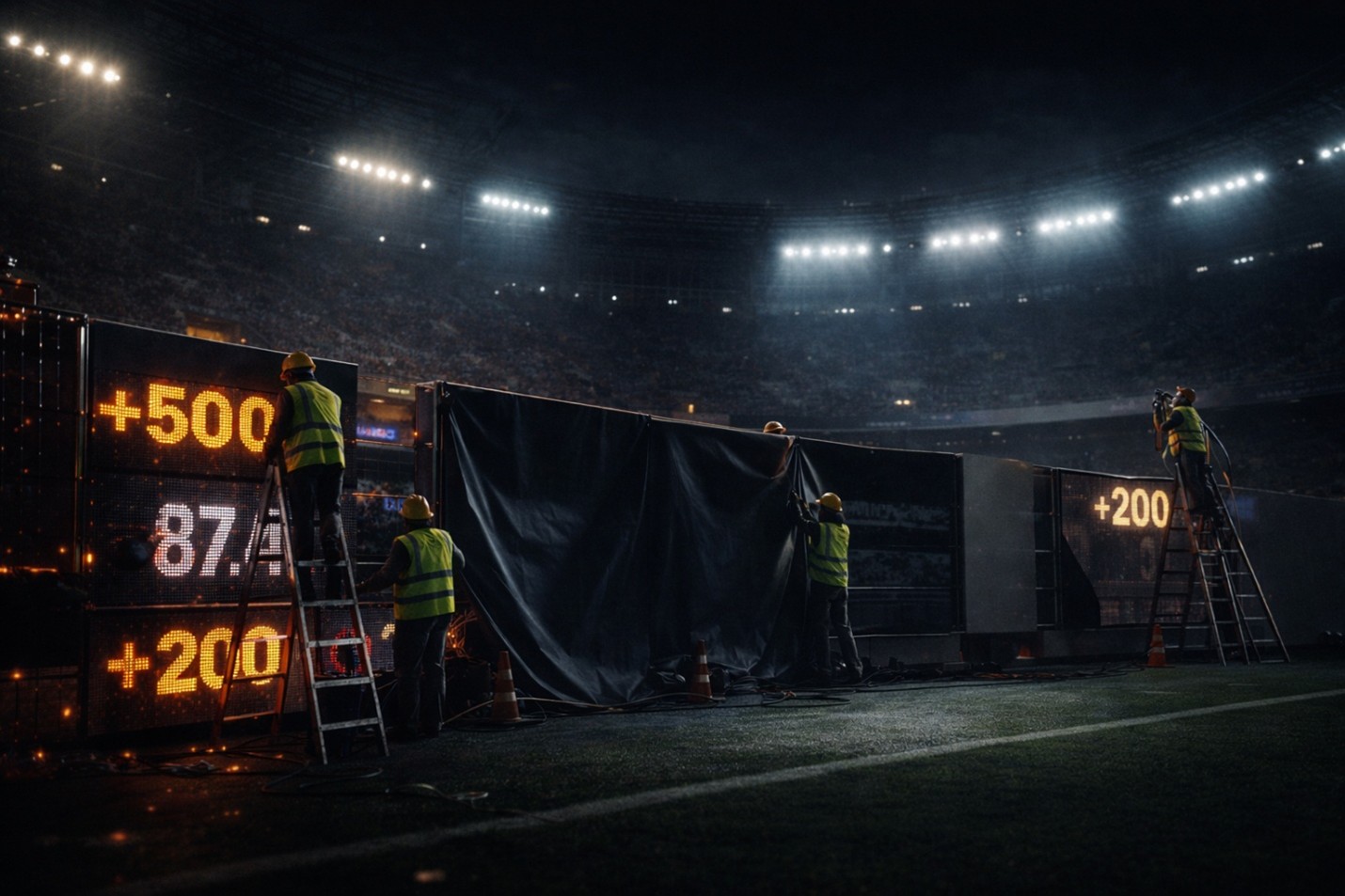
FIFA’s “Clean Venue” Policy Takes Full Control
At the heart of the decision is FIFA’s strict requirement that only official partners can be visible during the World Cup. This means all other advertising—especially gambling-related branding—must be removed, covered, or replaced across stadiums.
The policy goes far beyond simple ad removal. Stadium operators are contractually obligated to remove any signage, sponsorship, or branding not approved by FIFA, including logos on scoreboards, in seating areas, and even on surrounding infrastructure.
This level of control ensures a uniform global presentation of the tournament—but it comes at a cost for existing partners, particularly betting companies.
Stadium Names and Identities Completely Rewritten
One of the most visible consequences of this move is the temporary renaming of stadiums. Corporate-sponsored venues across North America will lose their branded identities and adopt neutral, geographic names instead. For example, Hard Rock Stadium will become Miami Stadium.
These are all United States World Cup venues with gambling partnerships that will have to be renamed during the tournament between June 11 and July 19:
- AT&T Stadium: DraftKings (fantasy) and WinStar World Casino – renamed to Dallas Stadium.
- GEHA Field at Arrowhead: BetMGM, DraftKings, FanDuel, and the Kansas Lottery – renamed to Kansas City Stadium.
- Lincoln Financial Field: BetMGM, BetRivers, FanDuel, and the Pennsylvania Lottery – renamed to Philadelphia Stadium.
- Lumen Field: Muckleshoot Indian Tribe and Muckleshoot Casino Resort – renamed to Seattle Stadium.
- NRG Stadium: Caesars Entertainment – renamed to Houston Stadium.
- SoFi Stadium: Pechanga Resort Casino and Wynn Las Vegas – renamed to Los Angeles Stadium.
These changes highlight FIFA’s zero-tolerance approach to non-partner exposure, even when those partnerships are long-standing and highly valuable.
Only rare exceptions exist—such as Mercedes-Benz Stadium—where technical limitations prevent full removal of branding.
Gambling Brands Among Biggest Losers
The biggest commercial hit is expected to fall on gambling companies. Many U.S. stadiums hosting World Cup matches currently have partnerships with major betting operators, as seen above, including DraftKings, FanDuel, BetMGM, and Caesars.
All of this branding—whether physical signage or digital displays—must be removed during the tournament.
This effectively sidelines sportsbooks from one of the largest sporting events in the world, limiting their visibility despite the massive betting interest expected during the competition.
Still, the demand for betting won’t disappear. With the tournament expanding to 48 teams and 104 matches, wagering activity is projected to surge, even without in-stadium promotion.
For fans looking to engage with the tournament, options will remain available through the best football World Cup betting sites, where activity is expected to reach record levels.
Why FIFA Is Taking Such Hard Line
FIFA’s stance is rooted in protecting the exclusivity of its official sponsors. By eliminating competing brands—including gambling companies—it ensures that partners receive maximum global exposure without interference.
This strategy isn’t new, but its scale in 2026 is unprecedented due to the commercial nature of North American sports venues, where naming rights and sponsorship deals are deeply embedded.
The governing body is also extending restrictions beyond stadiums, reinforcing bans on gambling branding in sensitive areas like referee kits and VAR rooms, further distancing officiating from betting influence.
Commercial Reset Ahead of Biggest World Cup Ever
While sportsbooks and other brands may lose valuable exposure, the policy’s broader impact is a complete reset of the World Cup’s commercial landscape. FIFA is prioritizing consistency and sponsor exclusivity over local partnerships, even in one of the world’s most lucrative betting markets.
Ironically, despite the removal of gambling visibility, the tournament is still expected to generate record-breaking betting volumes—proving that demand doesn’t rely solely on stadium advertising.

FAQ