
FIFA World Cup 2026 Set to Introduce NFL- and NBA-Style Breaks
FIFA games, like the 2026 World Cup, will have four quarters instead of two halves. This is because there will be mandatory three-minute breaks for hydration around the 22-minute mark of each 45-minute half, just like in basketball or the NFL. This is for the players’ health and possibly more ad time, no matter what the weather is like.
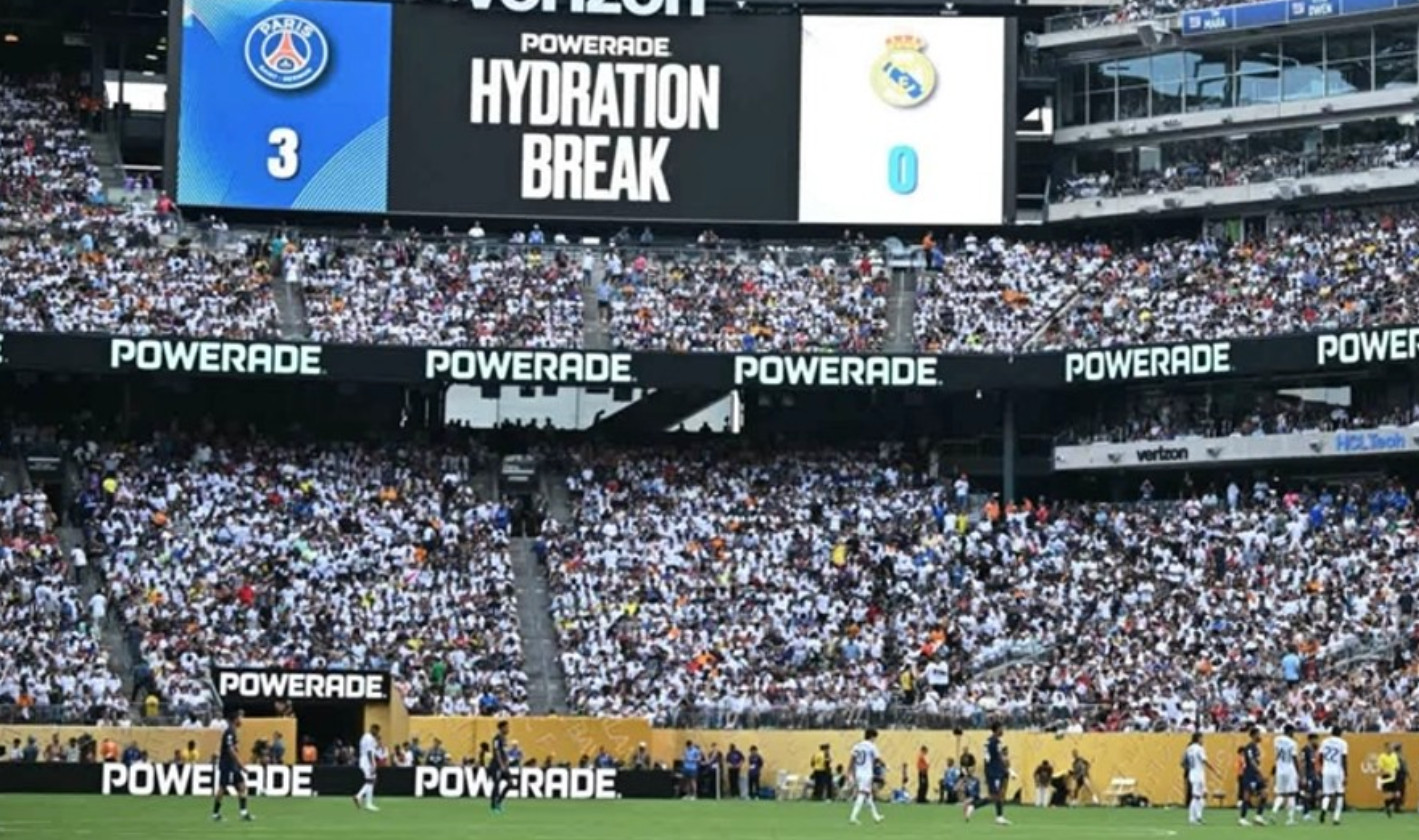
The 2026 FIFA World Cup is shaping up to be one of the most transformative tournaments in modern football history. Beyond its record-breaking expansion to 48 teams and its tri-nation hosting across the United States, Canada, and Mexico, FIFA (Fédération Internationale des Associations de Football; International Federation of Football Associations), an international self-regulatory governing body of football, is preparing to introduce a structural change that subtly—but significantly—alters how matches flow. For the first time, World Cup games will feature mandatory hydration breaks that effectively divide each match into four segments, drawing clear comparisons with American sports like the NFL and NBA.
How New Hydration Breaks Will Work
Traditionally, football is played in two uninterrupted 45-minute halves, with stoppages only for injuries, substitutions, or extreme weather. At the 2026 World Cup, that rhythm will change.
FIFA plans to implement scheduled hydration breaks around the 22nd minute of each half, regardless of temperature or weather conditions. Each break is expected to last approximately three minutes, giving players a guaranteed pause midway through both halves. While FIFA has not officially labeled these segments as “quarters,” the practical effect is clear: matches will be broken into four distinct periods of play.
Why FIFA Is Making the Change
The primary motivation behind the decision is player safety. Many host cities for the 2026 World Cup—such as Dallas, Miami, Monterrey, and Los Angeles—are known for high summer temperatures. Even evening kickoffs may not fully mitigate heat-related risks, especially given the tournament’s intense match schedule.
By introducing fixed hydration breaks, FIFA aims to reduce the risk of heat exhaustion and improve overall player welfare. At the same time, predictable pauses provide broadcasters with structured windows for analysis, replays, and commercial placements—an approach long perfected in American sports.
Tactical and Commercial Implications
From a sporting perspective, these breaks introduce a new layer of tactics. Coaches will gain two additional moments per match to issue instructions, adjust formations, or slow momentum when under pressure. This could subtly change game management, particularly in knockout matches where fine margins decide outcomes.
Commercially, the change aligns the World Cup more closely with U.S. broadcast norms. Scheduled pauses create reliable advertising slots, increasing the tournament’s appeal to sponsors and broadcasters alike. This shift is expected to have downstream effects on fan engagement, viewing habits, and even betting behavior, particularly among audiences accustomed to structured breaks in play.
As betting interest continues to grow around major tournaments, many fans are already exploring the best football World Cup betting sites to prepare for expanded markets, in-play options, and new wagering dynamics that could emerge from these planned stoppages.
Departure From Football Tradition
While hydration breaks aren’t entirely new—having been used selectively in extreme heat—they’ve always been conditional. Making them mandatory and universal represents a notable departure from football’s long-standing tradition of continuous play.
Critics argue that the change disrupts the natural flow of the game and nudges football too far toward Americanized entertainment formats. Supporters counter that the sport must evolve to protect players and adapt to modern broadcasting realities, especially on a global stage as massive as the World Cup.
What This Means for 2026 World Cup
Whether embraced or resisted, the new hydration break format will be one of the defining talking points of World Cup 2026. Fans can expect matches that feel more structured, more tactical, and undeniably different from previous editions.
As football continues to balance tradition with innovation, the 2026 World Cup may well become a case study in how the world’s most popular sport adapts to changing climates, audiences, and commercial pressures.
FAQ
More tips on Football

Club Atlético de Madrid
Futbol Club Barcelona

Italy
Northern Ireland

Real Madrid Club de Fútbol
Manchester City Football Club

Football Club Lausanne-Sport
Sportovní Klub Sigma Olomouc

Panthessaloníkios Athlitikós Ómilos Konstadinoupolitón

Real Club Celta de Vigo

Fudbalski klub Crvena zvezda
Real Club Celta de Vigo

Fußball-Club Bayern München

Royale Union Saint-Gilloise

Manchester United F.C.
Manchester City F.C.