FIFA World Cup 2026 Houston Guide
Whether you’re traveling from abroad or road-tripping from within the U.S., this guide covers everything you need before you arrive in Space City.

Contents
- FIFA World Cup 2026 Houston Guide
- Why Houston Is a Key Host City for World Cup 2026
- Houston World Cup 2026 Matches: What to Expect
- The Stadium: NRG Stadium Guide
- How to Get Tickets for Houston Matches
- Where to Stay in Houston During the World Cup
- Getting Around Houston
- Top Things to Do in Houston Between Matches
- Weather in Houston During World Cup 2026
- Fan Tips for the Best World Cup Experience
- Pros & Cons of Attending Matches in Houston
- Safety & Travel Advice
- Frequently Asked Questions

 Best Bookmakers for United States





KEY TAKEAWAYS:
- The only air-conditioned stadium in the tournament.
- Elite fixtures across the board — Germany, Portugal (twice), and the Netherlands all come to Houston, making it one of the highest-profile group stage allocations in the entire tournament.
- Logistics are straightforward — unlike Kansas City, Houston has a direct rail link to the stadium.
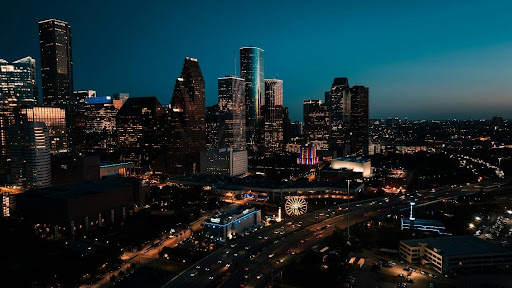
Why Houston Is a Key Host City for World Cup 2026
Houston is the fourth-largest city in the United States and one of the most genuinely diverse urban centers on the planet. With a population of 2.3 million — and a broader metro area of nearly 7.5 million — it’s a city built on migration, energy, and an outward-facing identity that makes it a natural fit for the world’s biggest sporting event.
The city’s footballing credentials are underrated on the national stage. Houston Dynamo FC is an established MLS club, and the city has a deep Latino football culture — approximately 44% of Houston’s population is Hispanic or Latino, and its fanbase knows the global game intimately and follows it passionately year-round. When Portugal or the Netherlands run out at NRG Stadium (renamed to the Houston Stadium during the tournament due to FIFA branding rules), the atmosphere will reflect that diversity from the first whistle.
On the infrastructure side, Houston has repeatedly demonstrated its ability to host mega-events. Two Super Bowls (2004 and 2017), NCAA Final Fours, multiple international football friendlies, and the annual Houston Livestock Show and Rodeo — which drew 2.7 million visitors in March 2025 alone — all point to a city that runs large-scale operations without breaking a sweat. The Houston FIFA World Cup hosting allocation, including a round-of-16 match on Independence Day, reflects that proven track record.
Houston World Cup 2026 Matches: What to Expect
Houston is scheduled to host seven matches across the tournament — five group stage fixtures, a round of 32, and a round of 16. The confirmed schedule brings three of the world’s top 10-ranked national teams to NRG Stadium, making Houston one of the highest-quality fixture allocations of any U.S. host city:
| Date | Time (ET) | Phase | Match |
|---|---|---|---|
| June 14, 2026 | 1:00 PM | Group stage (E) | Germany vs. Curaçao |
| June 17, 2026 | 1:00 PM | Group stage (K) | Portugal vs. DR Congo |
| June 20, 2026 | 1:00 PM | Group stage (F) | Netherlands vs. Sweden |
| June 23, 2026 | 1:00 PM | Group stage (K) | Portugal vs. Uzbekistan |
| June 26, 2026 | 8:00 PM | Group stage (H) | Cape Verde vs. Saudi Arabia |
| June 29, 2026 | 1:00 PM | Round of 32 | Group C winner vs. Group F runner-up |
| July 4, 2026 | 1:00 PM | Round of 16 | TBD vs. TBD |
Portugal plays twice in Houston, making the city the base of operations for one of the tournament’s most followed teams. Germany opens its campaign here on June 14 — the first match of that tournament day across all host cities. The Netherlands brings its famous orange fanbase. And the round of 16 lands on July 4, which will make for a uniquely American occasion wrapped around a global football event.
If you’re weighing up which matches to target, now is the time to get your research done and find the right FIFA World Cup betting sites to track markets on the teams heading to Texas. Portugal’s double-header in Houston, in particular, will attract significant betting interest globally.
The Stadium: NRG Stadium Guide
NRG Stadium — officially renamed “Houston Stadium” for the duration of the World Cup under FIFA’s standard neutral-naming policy — holds one decisive advantage over almost every other venue in the entire tournament: it’s fully air-conditioned. In a city where June and July temperatures average 34–36°C (93–97°F) and humidity is high, this isn’t a minor footnote. It’s the defining practical feature of the Houston match experience, and it sets NRG apart from open-air venues in Kansas City, Dallas, and New York.
Overview of NRG Stadium
Opened in 2002 — originally as Reliant Stadium — NRG Stadium was the first NFL venue built with a retractable roof, a distinction it earned through genuine innovation rather than novelty. Two 206-meter trusses carry movable roof panels, which can open or close in under seven minutes. The air conditioning system has a cooling capacity of 12,000 tons, keeping the interior at a comfortable 22°C regardless of conditions outside.
Capacity is 72,220 for standard configurations, with standing room that can accommodate up to 80,000 for major events. The stadium is home to the Houston Texans (NFL) and the Houston Dynamo (MLS), and its two end-zone screens — among the largest in-stadium screens in the world when installed — give excellent visual coverage throughout the bowl. For the World Cup, the venue will receive natural grass pitch installation, new stadium-wide lighting, and infrastructure upgrades to meet FIFA’s international standards.
Seating & Best Viewing Areas
NRG’s four-tier structure — lower level, club level, upper level, and premium suites — gives fans a genuine range of options.
The lower bowl puts you closest to the action and delivers the most intense noise experience as the crowd noise channels down. Club level offers the best combination of sightlines and comfort, with premium hospitality access. The upper deck provides a panoramic view that reads the shape of the game well, and at this stadium, the roof means there’s no weather concern, regardless of where you sit.
Stadium Facilities & Fan Experience
NRG Stadium operates as a cashless venue. Food options skew toward Texas — brisket sandwiches, BBQ plates, Tex-Mex, and local craft beer sit alongside more global options. The wide concourses give fans room to move between entries without feeling cramped on high-attendance days, and the family infrastructure (kids’ concessions, family bathrooms, stroller check-in) makes it one of the more practical venues for traveling families. Full ADA compliance covers ramps, elevators, wheelchair-accessible seating, and assisted listening throughout.
The official FIFA Fan Festival for the Houston FIFA World Cup runs across four city blocks in EaDo (East Downtown), spanning 34 of the tournament’s 39 total days. It’s free to enter, features live music, food vendors, and big-screen match screenings, and is located a short METRORail ride from NRG Park.
How to Get Tickets for Houston Matches
All official World Cup ticketing runs through FIFA.com. The ballot-based application window is the most reliable route to face-value tickets — register your FIFA ID early and apply during the first available phase for priority access. Portugal’s group-stage doubles and the round of 16 on July 4 will be among the most competitive matches in Houston’s schedule.
For fans who miss official phases, secondary platforms such as StubHub and Viagogo carry resale inventory. Always use buyer-guarantee platforms and check seller ratings carefully. Expect prices to be significantly above face value for Portugal and Germany fixtures, and substantially higher again for the knockout rounds as team identity becomes clearer.
Group stage tickets are expected to range from approximately $150 to $500 at face value, depending on tier. Hospitality packages via On Location (FIFA’s official partner) include guaranteed entry and premium experiences but carry a significant price premium. NRG Stadium has limited inventory per match, and every fixture is expected to sell out.
Where to Stay in Houston During the World Cup
Houston’s hotel landscape is among the more affordable in U.S. host cities — significantly cheaper per night than New York, Miami, or Los Angeles on comparable dates. Key areas to target:
- EaDo (East Downtown): The most walkable base relative to both the stadium and the Fan Festival. A lively neighborhood filled with soccer bars, murals, and local restaurants. Walking distance to NRG via the stadium precinct on matchdays.
- Midtown: A 15-minute METRORail ride from NRG Park. Strong rooftop bar and nightlife scene. A popular base for fans wanting central access with more amenities than EaDo.
- Museum District: Connected to NRG by the Red Line and offering a quieter, more residential base. Strong cultural draw with proximity to Houston’s world-class museums.
- Downtown: Slightly further from the stadium but the most connected neighborhood overall, with easy rail access, a range of hotel tiers, and proximity to the Dynamo FC stadium at Shell Energy Stadium.
- Medical Center / Boulevard Oaks: Within walking distance of NRG Stadium for fans who prioritize match-day logistics over nightlife access.
Book as early as possible. Hotels near NRG will fill first, and city-wide pricing will spike across all neighborhoods as the tournament approaches. Serviced apartment rentals offer better value for groups attending multiple matches over several days.
Getting Around Houston
Houston’s METRORail Red Line is the standout transport option for Houston FIFA World Cup matchdays. It runs directly to NRG Park Station — a short walk from the stadium gates — and, during the World Cup, the Red Line will operate every six minutes, making it one of the most frequent and reliable transit options in any host city in the tournament. A single ride costs $1.25. Take it.
For the Fan Festival in EaDo, use the Green or Purple METRORail lines to EaDo/Stadium Station. If you’re traveling between NRG and the Fan Festival on the same day, transfer at Main Street Square Station downtown and allow an extra 30–40 minutes for the connection.
Driving isn’t recommended on matchdays. Houston’s road traffic is already among the heaviest of any U.S. city, and stadium-day congestion will compound that considerably. Parking at NRG Park costs $25 or more per space and will close early once full — no in-and-out access. Uber and Lyft operate throughout the city, but surge pricing around kick-off and final whistle will be significant. Rail is a consistently reliable alternative.
Top Things to Do in Houston Between Matches
Houston rewards exploration. The city’s cultural and culinary offer is genuinely exceptional, and the time between fixtures is well worth filling:
- Space Center Houston: NASA’s official visitor center, approximately 30 minutes south of Downtown. Plan four to six hours — the scale of the exhibits and the access to genuine mission hardware make it one of the best science attractions in the U.S.
- Museum District: Nineteen museums within walking distance of each other, including the Museum of Fine Arts Houston, the Houston Museum of Natural Science, and the Children’s Museum. Free or low-cost entry to most. A half-day minimum.
- EaDo Fan Festival: Four city blocks of free World Cup activation running for 34 consecutive days. Live music, food vendors, cultural programming, and large-screen match screenings. A natural gathering point for fans on non-matchdays.
- Texas BBQ & Tex-Mex: Houston’s food scene is one of America’s most underrated. From briskets and ribs to tacos, carnitas, and everything in between, budget time for serious eating. Spots like Irma’s Original and El Real Tex-Mex Café are World Cup-season essentials.
- Galveston Island: Fifty minutes south on I-45, Galveston offers Gulf Coast beaches, Victorian architecture, fresh seafood, and a change of pace from the tournament intensity. An ideal day trip between matches.
If Houston is one stop among several cities on your World Cup itinerary, the World Cup 2026 host cities guide covers all 16 venues in detail and is a useful planning resource for fans combining multiple fixtures across the tournament.
Weather in Houston During World Cup 2026
Houston in June and July is hot, humid, and occasionally stormy. Daytime temperatures regularly hit 34–36°C (93–97°F) with high humidity, and the Gulf Coast climate means conditions feel considerably warmer than the thermometer suggests. The good news: every match at NRG Stadium is played in full air conditioning, so the in-stadium experience is controlled and comfortable regardless of what’s happening outside.
The challenge is the time spent outside the stadium — walking to the METRORail stop, waiting in line for entry, and exploring the city between games. Wear light, breathable clothing, always carry water, and avoid prolonged outdoor exposure in the midday heat. Thunderstorms are possible in late June — always worth checking the forecast. Pack a light rain layer that folds away easily.
Fan Tips for the Best World Cup Experience
- Ride the Red Line: It costs $1.25, runs every six minutes on matchdays, and drops you a short walk from the gates. There is no better or easier transport option in Houston.
- Arrive early: NRG’s security setup for marquee events creates queues. Target being through the gates 90 minutes before kick-off, particularly for Portugal and Germany fixtures, where demand will be highest.
- Know the stadium rules: NRG is a cashless venue. No outside food or drink inside the gates. Check FIFA’s full prohibited items list before leaving your hotel.
- Hit EaDo on non-matchdays: The official Fan Festival in East Downtown is free, runs almost the entire duration of the tournament, and is the best free football experience in the city outside the stadium itself.
- Pack light layers: The stadium interior runs at around 22°C courtesy of the AC system — a full 12–14 degrees cooler than outside. A light layer for indoors is worth having.
Pros & Cons of Attending Matches in Houston
Houston FIFA World Cup offers elite fixtures, a unique climate-controlled stadium, and one of the most practical logistics setups of any U.S. host city. But the Texas summer heat outside the venue and a sprawling city layout come with trade-offs. Here’s the full picture.
| Pros | Cons | |
|---|---|---|
| Stadium | Only fully air-conditioned World Cup venue in the U.S. — 22°C inside while it’s 35°C outside | Open-air concourses and entry queues mean significant heat exposure before and after the match |
| Fixtures | Germany, Portugal (x2), Netherlands, plus a round of 16 on July 4 — one of the strongest group stage allocations in the tournament | No quarter-final or beyond — knockout journey ends at the round of 16 |
| Transport | METRORail Red Line runs direct to NRG Park Station every 6 minutes for $1.25 | Rail doesn’t reach EaDo Fan Festival directly — requires a line change and 30-40 minutes extra |
| Accommodation | Significantly cheaper hotel rates than New York, Miami, or LA — one of the best value host cities in the U.S. | Limited walkable hotel options immediately adjacent to NRG Stadium |
| Fan Festival | Free EaDo Fan Festival spans 4 city blocks and runs 34 of the tournament’s 39 days | EaDo is a separate neighborhood from the stadium — fans need to plan transit between the two |
| Food & Culture | World-class Tex-Mex, Texas BBQ, and one of America’s most diverse dining scenes | Houston is a sprawling, car-oriented city — getting between neighborhoods without a car requires planning |
| Weather | Every match played indoors in full AC — weather is irrelevant once you’re inside | June/July humidity and heat make outdoor time genuinely uncomfortable, especially around midday |
| Value | Lower costs across hotels, food, and transit compared to most U.S. host cities | Fewer total matches than Atlanta (8), so, less flexibility for fans wanting multiple games in one city |
Safety & Travel Advice
Houston is a large and well-managed city, and the areas World Cup visitors will primarily use — NRG Park, EaDo, Midtown, Downtown, and the Museum District — will all carry enhanced security presence throughout the tournament. Standard urban travel awareness applies, as it would in any major American city, particularly after dark in less-frequented areas.
One notable advantage of Houston’s stadium location: NRG Park sits adjacent to the Texas Medical Center, the largest medical complex in the world. World-class emergency care is minutes from the venue on matchdays. In-stadium first-aid stations are positioned throughout NRG, and the primary health concern for outdoor time in Houston’s summer is heat-related — hydrate consistently before, during, and after every match.
The U.S. emergency number is 911. Houston’s George Bush Intercontinental Airport (IAH) and William P. Hobby Airport (HOU) both serve the city — IAH is larger and internationally connected, while HOU handles domestic and regional routes. Build buffer time into travel days around knockout matches when demand on all city infrastructure peaks. Ensure travel insurance is in place and carry copies of important documents.
Houston FIFA World Cup 2026 is shaping up to be one of the tournament’s most complete host city experiences — elite fixtures, climate-controlled comfort, a rail network that actually works, and a city diverse and energetic enough to hold its own as a destination. Space City is ready.
Frequently Asked Questions
Latest Tips
France vs Italy
The FIVB Men’s Volleyball Nations League (VNL) is one of the most prestigious annual international volleyball competitions, bringing together the world’s top national teams across several weeks of eli...
Read More
Uzbekistan - Colombia
One of the two opening matches in Group K of the 2026 FIFA World Cup between Uzbekistan and Colombia presents a fascinating, high-stakes collision between Asian tactical discipline and South American ...
Read MorePortugal - Congo
The 2026 FIFA World Cup Group K opening match between Portugal and DR Congo represents a massive clash of styles, experience, and footballing history. As you prepare to watch the action unfold, you ca...
Read MoreEngland - Croatia
Few group-stage fixtures at this World Cup carry the emotional and competitive weight of this one. Before diving in, if you want to compare odds and markets from top-rated sportsbooks for this fixture...
Read MoreLatest News
One-time TI champions Tundra Esports End Competitive Operations to Pursue Media-First Future
Tundra Esports has announced one of the most surprising pivots in recent eSports memory, stepping away from competitive gaming entirely and repositioning itself as a media-focused brand. The move come...
Read More1xBet Wins SiGMA Europe Awards for Best Sports Betting Operator in 2026
Global betting operator 1xBet has been crowned Best Sports Betting Operator 2026 at the SiGMA Europe Awards, which took place in Valletta, Malta. The ceremony, held at the historic Casino Maltese, bro...
Read MoreManchester United and Betway Strike Major Sponsorship Deal as Iconic Club’s Commercial Strategy Evolves
Manchester United have agreed a new sponsorship partnership with Betway, marking another significant commercial move for one of football’s most recognizable brands. The agreement adds Betway to United...
Read MoreFIFA World Cup 2026 to Debut Major Rule Changes: VAR Powers Expanded, Time-Wasting Targeted…
The 2026 FIFA World Cup is set to become the testing ground for some of the most significant football law changes in recent years after the International Football Association Board (IFAB) approved a p...
Read More