

Why Are New World Records Rarely Set at the Winter Olympics?
Something everyone expects to see when watching this year’s Winter Olympic Games is new World Records being set. However, we’ve not seen any so far and likely won’t. But why? Why are record times at a premium? The answer is a simple one – many sports taking place aren’t played out over standardised courses.
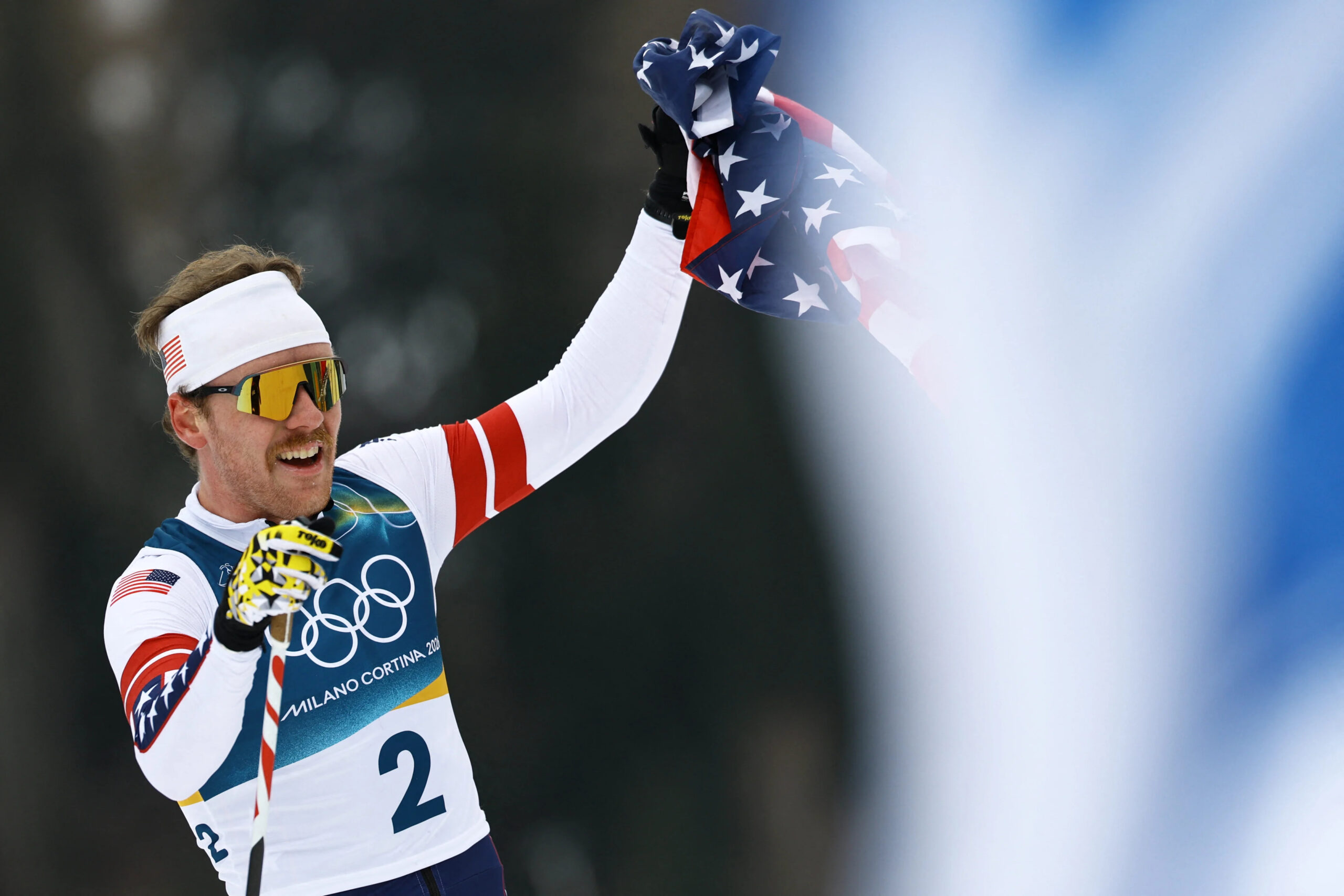
Unlike the swimming pools and running tracks seen at the summer games, winter venues are typically shaped by the surroundings in which they sit. Alpine skiing courses, for example, vary in length, gradient and layout depending on the host location.
At the Milan-Cortina 2026 Games, the men’s downhill course is around 2.14 miles long, compared with about 1.96 miles at Beijing 2022. Because these courses are different every time, performances cannot be directly compared across Olympic cycles.
As a result, official world records do not exist for most alpine skiing events. The same issue affects sports such as bobsleigh, luge, skeleton, snowboard cross and cross-country skiing, where tracks and routes change from one Games to the next.
There Are Some Exceptions
In both long-track and short-track speed skating, athletes compete over the same distances at every Olympic venue and world championship. That consistency allows Olympic and world records to be recognised. At the 2026 Games, Norway’s Sander Eitrem broke the Olympic record in the men’s 5,000m.
Another factor is that many winter sports are judged rather than timed. Figure skating, freestyle skiing and snowboard events are scored on execution, difficulty and overall performance, rather than pure speed.
In ski and snowboard big air events, athletes are marked out of 100. Scores are based on difficulty, execution, amplitude and landing, with extra credit for progression – landing new tricks that push the sport forward. As such, no time or distance ‘records’ exist.

FAQ
More tips on Olympiad



Andrea Giovannini

Jordan Stolz
Frida Karlsson
Astrid Øyre Slind
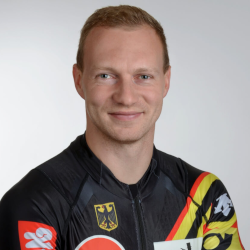
Francesco Friedrich
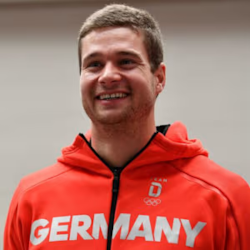
Johannes Lochner

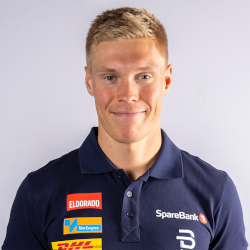
Martin Løwstrøm Nyenget
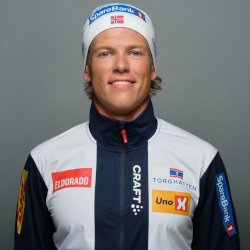
Johannes Høsflot Klæbo