
French Open Prize Money Controversy Escalates as Top Female Players Discuss Boycott
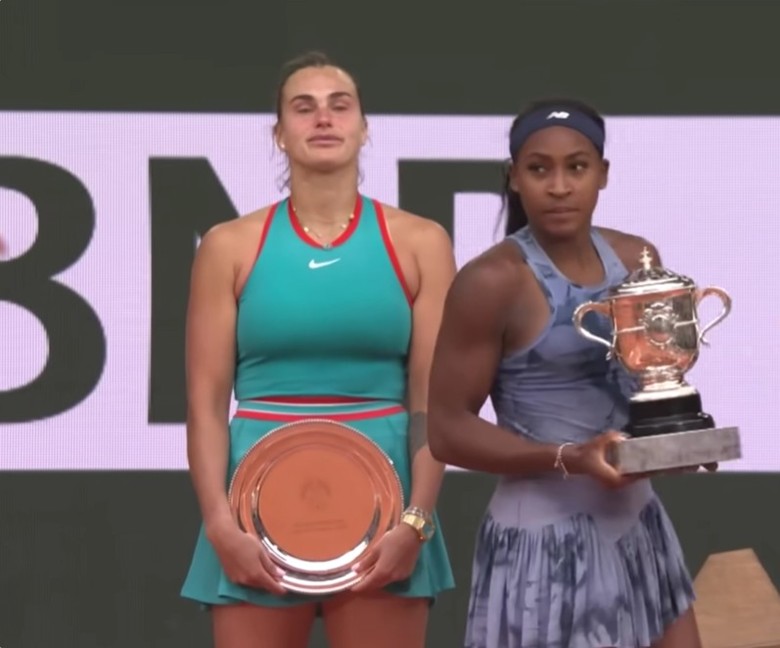
World No. 1 Aryna Sabalenka has intensified the growing conflict between female tennis players and Grand Slam organizers after warning that competitors could eventually boycott the upcoming French Open over prize money disputes.
Rising Frustration Over Grand Slam Revenue Sharing
Speaking ahead of the 2026 Italian Open in Rome, Sabalenka said players may be forced to take drastic action if revenue-sharing discussions continue to stall, despite Roland Garros announcing a sizeable increase to its 2026 prize pool.
The 2026 French Open is set to distribute €61.7 million in prize money — an increase of nearly 10% compared to last year — but many top players believe the rise still falls far short of what the tournament generates commercially. According to reports, players are seeking roughly 22% of tournament revenues to be shared with competitors, similar to the percentage structure used at ATP and WTA 1000-level events.
Sabalenka Says Boycott “Might Be Needed”
World No. 1 argued that players are central to the entertainment value that drives television deals, sponsorships, and ticket sales at Grand Slam events. While she said negotiations are ongoing, the Belarusian star admitted that a boycott “might be needed” at some stage if meaningful progress isn’t made: “I feel like that’s going to be the only way to fight for our rights.”
Sabalenka’s comments immediately sparked wider discussion across the tennis world, particularly because direct boycott threats are rare in modern professional tennis. With Roland Garros only weeks away, the timing of the statement has added extra pressure on tournament organizers and governing bodies.
Coco Gauff and Other Stars Back Collective Action
Several leading names in tennis have publicly backed the growing movement. Coco Gauff supported the idea of collective action and pointed toward player unions in other sports as examples of how athletes can improve working conditions and financial structures.
The highest-ranked American female tennis player (World No. 4) and the tournament’s defending champion also highlighted the financial struggles faced by lower-ranked professionals, many of whom still operate with heavy travel and coaching expenses despite competing on the sport’s biggest stages.
Meanwhile, Iga Świątek took a more cautious stance, saying she hopes dialogue with tournament organizers can still resolve the issue before tensions escalate further.
French Open Organizers Under Increasing Pressure
The debate has quickly become one of the biggest stories heading into Roland Garros, with critics questioning whether Grand Slam tournaments have fairly adapted to the sport’s commercial boom.
Organizers of the Australian Open, Wimbledon, French Open, and US Open have all faced increasing scrutiny over player welfare, pension support, scheduling influence, and revenue distribution during the past year. Many players believe that Grand Slam tournaments now generate record-breaking revenues, while compensation structures have not kept pace.
Bigger Debate Around Tennis Economics
The ongoing dispute reflects a broader conversation about how wealth is distributed across professional tennis. While elite players earn millions through sponsorships and endorsements, many lower-ranked competitors struggle financially throughout the season.
Supporters of the players’ position argue that Grand Slams benefit heavily from athlete-driven entertainment value, global media exposure, and increasing digital audiences. Tournament organizers, however, continue to point toward operational costs, infrastructure investments, and long-term event development.
For readers following Grand Slam coverage, tournament previews, and bookmaker review platforms, our guide covering tennis best online betting sites continues to attract attention during the clay-court season.
What Happens Next Before Roland Garros?
The 2026 French Open is scheduled to begin later this month in Paris, and while the spotlight will remain on the title race, the growing tension between players and organizers may become one of the tournament’s defining narratives.
Whether negotiations lead to compromise or further confrontation, the conversation around prize money and revenue sharing now appears impossible for tennis authorities to ignore.

FAQ