Eileen Gu Faces Renewed Backlash Over Citizenship
The most decorated freestyle skier in history, Eileen Gu, faces renewed backlash over her citizenship decision at Milano-Cortina 2026, reigniting debate about nationality, politics, and modern Olympic identity.
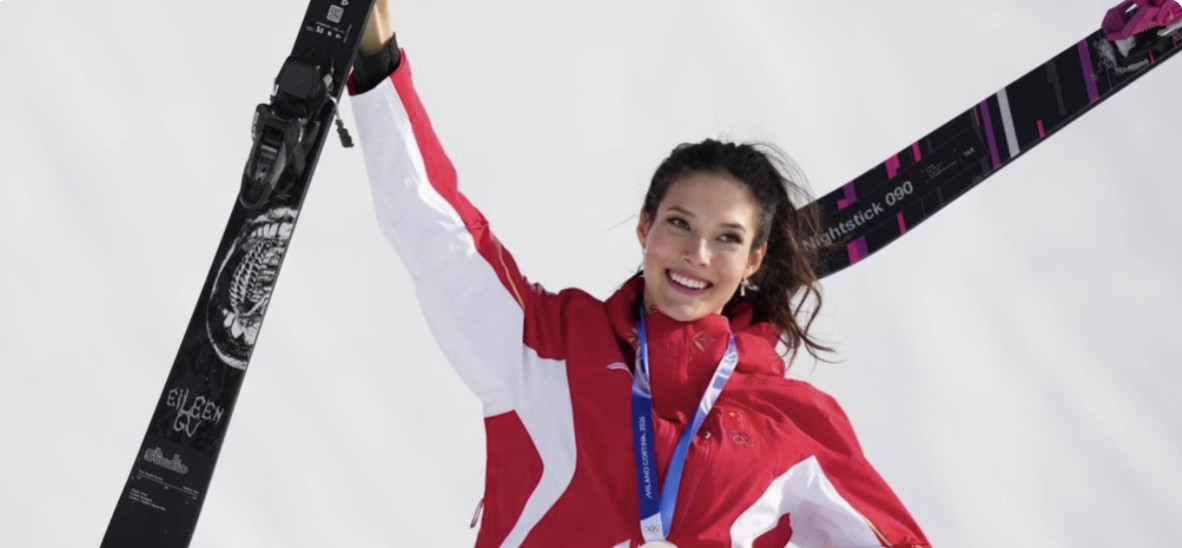
Freestyle skiing star Eileen Gu is once again at the center of a heated nationality debate after a viral interview during the Milano-Cortina 2026 Winter Olympics reignited long-standing criticism over her decision to represent China instead of the United States.
The controversy resurfaced following a post-competition press conference in which the most decorated freestyle skier in history, with six Olympic medals, was asked about her identity and national allegiance. Her response, calm but firm, quickly circulated across social media platforms, drawing polarized reactions from political commentators, sports pundits, and fans on both sides of the Pacific.
Gu, who was born in California and raised and educated in the United States by an American father and a Chinese mother, chose to compete for China ahead of the Beijing 2022 Winter Olympics. At the time, the decision made her one of the most marketable and talked-about athletes of the Games, which paid her off financially, big time. It also placed her in the middle of a geopolitical conversation far larger than sport.
That debate never fully disappeared. Milano-Cortina has simply brought it back into sharper focus.
Familiar Pattern
The latest backlash follows a familiar pattern: a clip goes viral, commentary intensifies, and Gu becomes a symbol in a broader discussion about loyalty, identity, and global politics. Critics in the U.S. argue that representing China reflects political alignment. Supporters counter that modern athletes often navigate multinational identities and professional opportunities in a globalized sporting ecosystem.
Unlike traditional nationality switches motivated by Olympic qualification
rules or access to funding, Gu’s situation carries additional weight due to the political tensions between Washington and Beijing. In that sense, she isn’t just an athlete competing for medals — she has become a figure tied to questions of national branding and soft power.
The Olympics have long been intertwined with politics. From Cold War boycotts to debates over host nations’ policies, the Games regularly transcend sport. Gu’s case fits into that history, but it also reflects a modern reality: elite athletes increasingly operate across borders, cultures, and commercial markets.
Business of Global Sport
Gu’s global appeal is undeniable. She maintains major endorsement deals, a significant social media presence, and cross-market recognition in both Western and Asian markets. In an era where sports business stretches beyond traditional national boundaries, representation decisions often intersect with sponsorship, branding, and audience reach.
The debate also highlights how digital platforms amplify controversy. Within hours, clips of her interview were dissected across X, TikTok, and sports talk shows. Online narratives escalated quickly, illustrating how modern Olympic moments now unfold not just on snow and ice — but in algorithm-driven feeds.
For sports fans who follow Olympic trends, sponsorship markets, and international competition dynamics, including those who track global betting movements through platforms such as offshore bookies, nationality debates can even influence public sentiment around events. While Gu’s performances remain the focal point competitively, perception continues to shape the broader narrative.
What It Means Going Forward
As Milano-Cortina progresses, the renewed scrutiny is unlikely to fade. Gu remains one of freestyle skiing’s biggest names, and her performances will continue to command attention regardless of political discussion.
Ultimately, the episode underscores a larger truth about modern Olympic sport: in a globalized era, identity is rarely simple. Athletes often reflect multiple cultures, languages, and markets. The tension lies not in the complexity itself — but in how audiences interpret it.
For now, Gu’s results on the slopes may speak louder than commentary online. But as long as geopolitical rivalries remain intense, her citizenship choice will likely remain part of the Olympic conversation.

FAQ
More tips on Olympiad



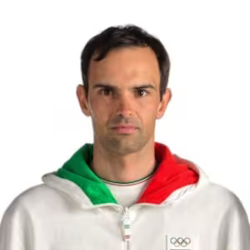
Andrea Giovannini
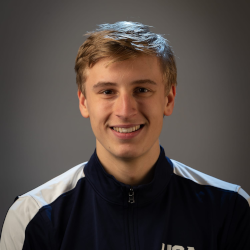
Jordan Stolz
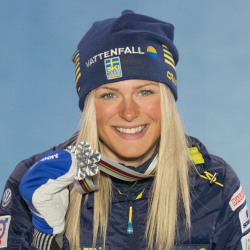
Frida Karlsson
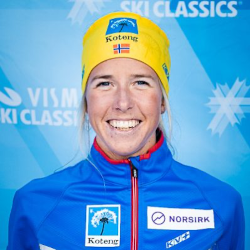
Astrid Øyre Slind
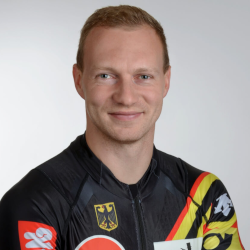
Francesco Friedrich
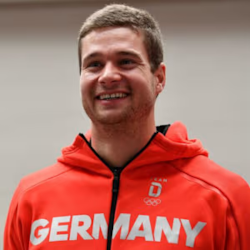
Johannes Lochner

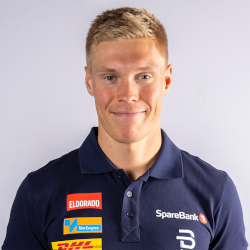
Martin Løwstrøm Nyenget
Johannes Høsflot Klæbo