

Best Ice Hockey Betting Sites for Winter Olympics 2026





Contents
- Ice Hockey at the 2026 Winter Olympics
- Venues, Competitors’ Structure, and Prize Pool Overview for Ice Hockey at the 2026 Winter Olympics
- Participating Teams in Ice Hockey at the 2026 Winter Olympics and Qualification Overview
- Structure and Match Format of Ice Hockey at the 2026 Winter Olympics
- Favorites in Ice Hockey at the 2026 Winter Olympics, Betting Options, and Where to Watch
- Pros and Cons of Favorites in Ice Hockey at the 2026 Winter Olympics
- FAQs
Best Bookmakers for United States





The ice hockey tournament is scheduled to run from February 5 to February 22, 2026, with games taking place primarily in Milan (with some events associated with the wider Milano–Cortina host region).
Olympic ice hockey is considered one of the most prestigious tournaments in the sport, bringing together the world’s top national teams. The 2026 edition is especially significant as it’s expected to feature the return of NHL players to the Olympics, restoring a true “best-on-best” international competition and dramatically increasing global interest and competitive quality.
The ice hockey tournament is organized by the International Olympic Committee (IOC) in collaboration with the International Ice Hockey Federation (IIHF) and the Milano Cortina 2026 Organizing Committee.
Venues, Competitors’ Structure, and Prize Pool Overview for Ice Hockey at the 2026 Winter Olympics
The ice hockey competitions at the 2026 Winter Olympics will be held at two indoor arenas located in the Milan cluster:
- CTS Eventim Arena: A newly constructed venue that will host preliminary and final matches.
- Milano Rho Ice Hockey Arena: An existing venue with temporary stands at the Milano Ice Park – a temporary, sustainable venue in Rho (near Milan), transforming the Fiera Milano exhibition center into dedicated spaces for speed skating and some ice hockey events – that will host preliminary games.
A total of 22 teams (530 athletes) will participate across two events:
- Men’s tournament: 12 teams.
- Women’s tournament: 10 teams.
Olympic athletes, including ice hockey players, don’t receive a central “prize pool” from the IOC. Instead, they compete for medals (gold, silver, and bronze), national glory, and personal achievement. Any financial awards for winning medals are determined and distributed by the individual athlete’s National Olympic Committee (NOC) or their home country’s government, not the Olympic organizing committee itself.
Participating Teams in Ice Hockey at the 2026 Winter Olympics and Qualification Overview
The following teams take part in the men’s tournament:




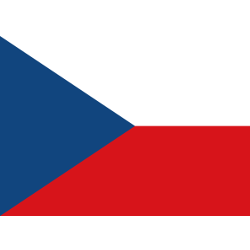


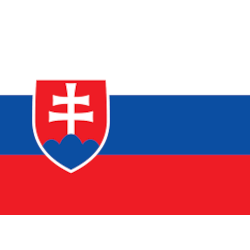

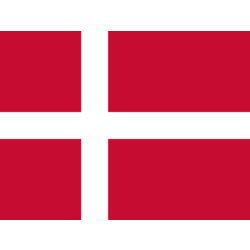
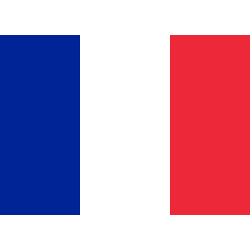

Each nation may register up to 25 players (including goaltenders). Final rosters are confirmed shortly before the Games. With NHL participation expected in 2026, squads should feature top players from the NHL and elite European leagues.
How did they qualify?
- Host nation: Italy qualified automatically as the Olympic host.
- IIHF World Ranking: The top-8 nations in the IIHF Men’s World Ranking (after the 2023 IIHF World Championship) qualified directly.
- Olympic Qualification Tournaments (OQT): The remaining three spots were decided via final Olympic qualification tournaments held in late 2024, contested by the highest-ranked non-qualified nations.
Women’s tournament teams:
- Italy
- Canada
- United States
- Finland
- Czech Republic
- Switzerland
- Japan
- Sweden
- Germany
- France
Each team may enter up to 23 players, with final rosters submitted close to the start of the tournament.
How did they qualify?
- Host nation: Italy qualified automatically.
- IIHF World Ranking: The top-6 teams in the IIHF Women’s World Ranking qualified directly.
- Olympic Qualification Tournaments: The remaining three places were earned through women’s Olympic qualification tournaments, held during the 2024–2025 international window.
Structure and Match Format of Ice Hockey at the 2026 Winter Olympics
The ice hockey tournaments at the 2026 Winter Olympics feature two main stages: a preliminary group stage followed by a single-elimination playoff round, concluding with bronze and gold medal games.
As said, the ice hockey events will run from February 5 to February 22, 2026, with separate tournaments for men and women.
| TOURNAMENT | DATES |
| Women’s | February 5 – February 19, 2026 |
| Men’s | February 11 – February 22, 2026 |
All matches have a 60-minute regulation time (three 20-minute periods). If tied, games proceed to an overtime period (3-on-3 sudden-death) and, if necessary, a shootout to determine a winner, except for the gold medal game, which uses continuous 20-minute sudden-death overtime periods until a goal is scored.
Men’s tournament
- Group stage (Feb 11-15): The 12 teams are divided into three groups of four for a single round-robin.
- Playoff qualification: The three group winners and the best second-place team advance directly to the quarterfinals. The remaining eight teams play a qualification playoff round to fill the remaining four quarterfinal spots.
- Elimination system: From the qualification playoffs onward, it is a single-elimination knockout system. Quarterfinal winners advance to the semifinals, with the winners playing for the gold medal and the losers playing for the bronze.
Women’s tournament
- Group stage (Feb 5-10): Teams are split into two groups (Group A with top-five seeds, Group B with seeds 6-10).
- Playoff qualification: All five teams from Group A and the top three teams from Group B advance to the quarterfinals.
- Elimination system: A single-elimination knockout system is used from the quarterfinals through to the gold and bronze medal games.
Favorites in Ice Hockey at the 2026 Winter Olympics, Betting Options, and Where to Watch
Men’s tournament favorites:
- Canada – The benchmark nation in Olympic ice hockey, especially dangerous with NHL players expected to return.
- United States – A fast, skill-heavy roster built around prime-age NHL stars.
- Sweden – Consistently disciplined and tactically sound.
- Finland – Reigning Olympic champion (2022).
Dark horses: Czech Republic (high-end skill, strong power play) and Switzerland (elite goaltending, cohesive systems).
Women’s tournament favorites
- Canada – The dominant force in women’s ice hockey, blending experience with elite scoring depth and physical superiority.
- United States – Canada’s long-time rival, equally capable of winning gold with speed, puck control, and tactical adaptability.
Other contenders: Finland and the Czech Republic, both of whom have closed the gap significantly and can challenge for medals.
Ice hockey at the Winter Olympics attracts coverage from most licensed international sports betting platforms, particularly hockey betting companies that offer NHL and international hockey markets.
Common betting markets include:
- Outright winner (gold medal)
- Medal markets (gold, silver, bronze)
- Group winners
- Match winner (moneyline)
- Puck line (handicap)
- Over/under total goals
- Player markets (top scorer, goaltender shutouts – where available)
The tournament can be watched in the following ways:
Global & regional broadcasters
- NBC / Peacock – United States
- CBC & TSN – Canada
- Eurosport / discovery+ – Most of Europe
- SVT / TV4 – Sweden
- YLE – Finland
- ČT Sport – Czech Republic
Streaming options
- Official Olympic broadcasters’ online platforms and mobile apps
- The Olympics digital ecosystem (highlights, replays, selected live streams depending on region)
Coverage typically includes live matches, studio analysis, replays, and on-demand highlights throughout the Olympic schedule.
Pros and Cons of Favorites in Ice Hockey at the 2026 Winter Olympics
| GENDER | TEAM | PROS | CONS |
| Men | Canada | Unmatched depth across all positions; elite two-way forwards and physical defense; proven Olympic and international success | Heavy pressure and expectations; complex roster selection; goaltending hierarchy not fully clear |
| Men | United States | Fast, high-skill roster; excellent transition game on Olympic ice; strong puck-moving defense | Less Olympic gold experience; speed-first style can struggle vs structured teams; knockout inconsistency |
| Men | Sweden | Elite defensive structure and tactical discipline; NHL-caliber defensemen; strong team chemistry | Limited offensive output in tight games; system-dependent; less effective in open, high-tempo play |
| Women | Canada | Most complete women’s roster; elite scoring depth, size, and experience; outstanding big-game mentality | Massive pressure to win gold; narrowing competitive gap; physical play can cause penalties |
| Women | United States | High-tempo, possession-dominant style; excellent skating and puck control; reliable Olympic goaltending | Inconsistent finishing in close matches; physical disadvantage vs Canada; emotional discipline issues |
| Women | Finland | Disciplined defensive structure; low-error hockey; capable of upsetting top nations | Limited scoring depth; struggles to sustain offense; minimal margin for error in eliminations |

Frequently Asked Questions
Latest Tips
The Arsenal Football Club vs Manchester City Football Club Prediction on March 22, 2026
The Carabao Cup (originally, English Football League Cup – EFL Cup) is one of England’s major men’s football domestic competitions and, traditionally, for over 60 years, delivers the first major troph...
Read More
Carlos Adames vs Austin Williams Prediction on March 21, 2026
The WBC middleweight title fight between Carlos Adames and Austin “Ammo” Williams is one of the more important 160-pound bouts on the March schedule because it puts a reigning world champion against a...
Read MoreCrazy Raccoon vs ZETA DIVISION Prediction on March 20, 2026
In the opening week of Korea Stage 1, this match already feels bigger than a standard regular-season series. The Overwatch Champions Series 2026 (OWCS 2026) - Korea Stage 1 regular season runs from Ma...
Read MorePARIVISION vs Ninjas in Pyjamas Prediction on March 19, 2026
In the early phase of BLAST Open Spring 2026, this PARIVISION–NiP meeting already carries real weight because the winner moves deeper into Group B’s upper bracket and gets closer to the six-team playo...
Read MoreLatest News
DraftKings Rolls Out “Super App” – Unified Platform for Changing Sports Betting
DraftKings has introduced a new all-in-one “super app,” aiming to bring together its sportsbook, casino, and digital offerings under a single, streamlined platform. The move comes at a pivotal moment ...
Read MoreSenegal Stripped of African Title as Morocco Crowned – Twist Coming Right Up
The 2025 Africa Cup of Nations has taken a dramatic and unprecedented turn, with Senegal officially stripped of its title and Morocco declared champions following a ruling by the Confederation of Afri...
Read MoreUFC and bet365 Strike Landmark Sports Betting Partnership in U.S. and Canada
The Ultimate Fighting Championship (UFC) has announced a major new partnership with global sportsbook bet365, marking a significant shift in the sports betting landscape surrounding mixed martial arts...
Read More2 Former MLS Players Receive Lifetime Bans for Gambling on Their Own Games
Major League Soccer (MLS) has issued lifetime bans to two former players after an investigation found they had repeatedly bet on football matches — including games involving their own team. The decisi...
Read More