WNBA Players See Billion-Dollar Women’s Sports Moment as Leverage in High-Stakes Talks with League
The WNBA and the players’ association are still negotiating the new Collective Bargaining Agreement (CBA), but the deadline is fast approaching. The lockout for the 2026 season is likely coming up.
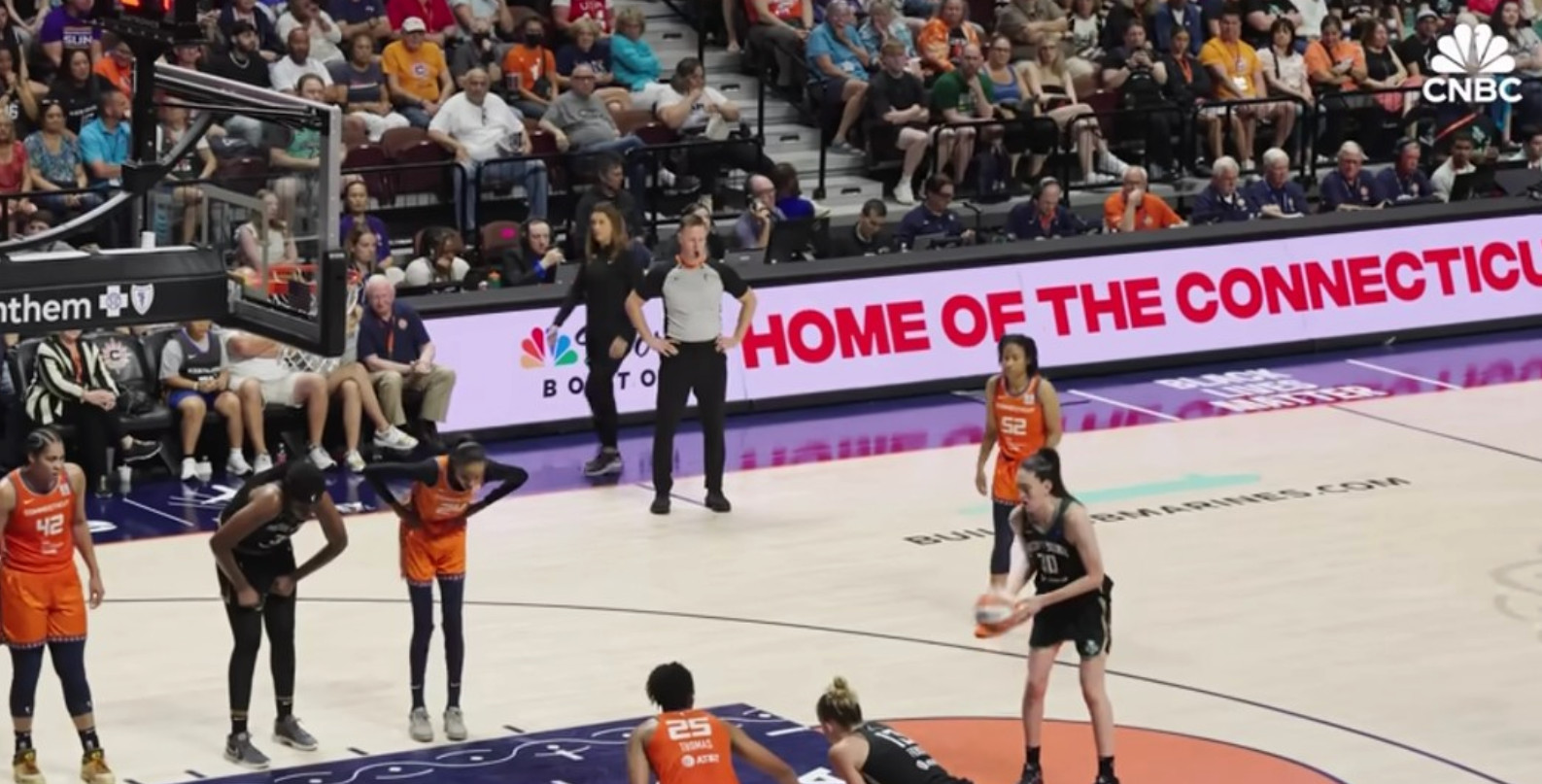
As the Women’s National Basketball Association (WNBA), the strongest women’s professional basketball league in the world, and its players’ union race against a looming collective bargaining agreement (CBA) deadline, negotiations are unfolding against a backdrop unlike any in women’s basketball history: this is now a billion-dollar sport. And the players want the new deal to finally reflect that.
Billion-Dollar Backdrop: Deloitte Numbers Change Tone
According to a 2025 report from Deloitte, global revenues in women’s elite sports are projected to surpass $2.35 billion this year, up from $1.88 billion in 2024 – a 240% rise over four years.
Within that surge, women’s basketball is emerging as the single biggest revenue engine. Deloitte estimates that women’s basketball alone is on track to generate around $1.03 billion in 2025, overtaking women’s football (soccer) as the top earner in women’s sports.
For WNBA players, those figures are more than just a milestone – they’re Exhibit A. While the league has announced record viewership, expansion franchises, and richer media and sponsorship deals, multiple analyses suggest players currently receive well under 10% of league revenues, a stark contrast to the roughly 50–50 splits common in men’s major leagues such as the NBA. As the sport’s popularity climbs — including increased fan engagement across fantasy, analytics, and even the best basketball online betting platforms — the argument for a modernized revenue-sharing model becomes even stronger.
Players Push for Bigger Share – Not Just Bigger Salaries
In recent weeks, the WNBA has floated a proposal that would significantly raise headline salary numbers, including a reported maximum salary north of $1.1 million and a minimum over $220,000.
But player leaders have been clear: this isn’t only about lifting the top or bottom of the pay scale. The core demand is structural—a CBA that ties salaries directly to a fixed percentage of league revenue, rather than relying on fixed deals with modest annual increases and limited revenue-sharing triggers.
From the players’ perspective, a league that operates in a market where women’s sports are set to clear $2.35 billion in revenue this year, with women’s basketball at the front of that wave, should no longer be operating on a model where labor captures only a single-digit share of the money it helps generate. Instead, they are arguing for a system that escalates with the business, much like in the NBA, where players and owners effectively grow together.
Test Case for Future of Women’s Sports
What happens in these WNBA talks will echo far beyond one league. Deloitte’s projections frame women’s sports as a rapidly maturing commercial ecosystem, with basketball and football combining for roughly four-fifths of global women’s sports revenues.
If WNBA players secure a modern revenue-sharing model, it could set a template for how athletes in other women’s leagues — from soccer to volleyball to cricket — negotiate their own CBAs in a booming but still uneven marketplace. Conversely, if talks collapse or produce only cosmetic gains, the league risks both a potential work stoppage and the loss of talent to emerging competitor ventures that are already dangling higher pay and equity stakes.
Either way, this negotiation is about more than just one season or one pay bump. It’s about deciding who benefits — and by how much — as women’s basketball officially enters the era Deloitte has already labeled: beyond the billion-dollar barrier.
FAQ
More tips on Basketball

Arizona

Arkansas

Anadolu Efes Spor Kulübü

FC Barcelona Bàsquet

Virtus Olidata Bologna

EA7 Emporio Armani Milan









Olympiacos B.C.

Panathinaikos AKTOR Athens
Olympiacos B.C.

Real Madrid Baloncesto