What Senegal vs Morocco AFCON 2026 Final Means for African Football Legacy
The 2026 Africa Cup of Nations final between Senegal and Morocco was more than a championship match. It represented a clash of modern African football identities: Senegal’s physical dominance and tournament experience versus Morocco’s tactical evolution and continental ambition. With controversy, drama, and elite-level intensity surrounding the final, this showdown has secured its place as one of the most talked-about AFCON conclusions of the modern era, even before it started.
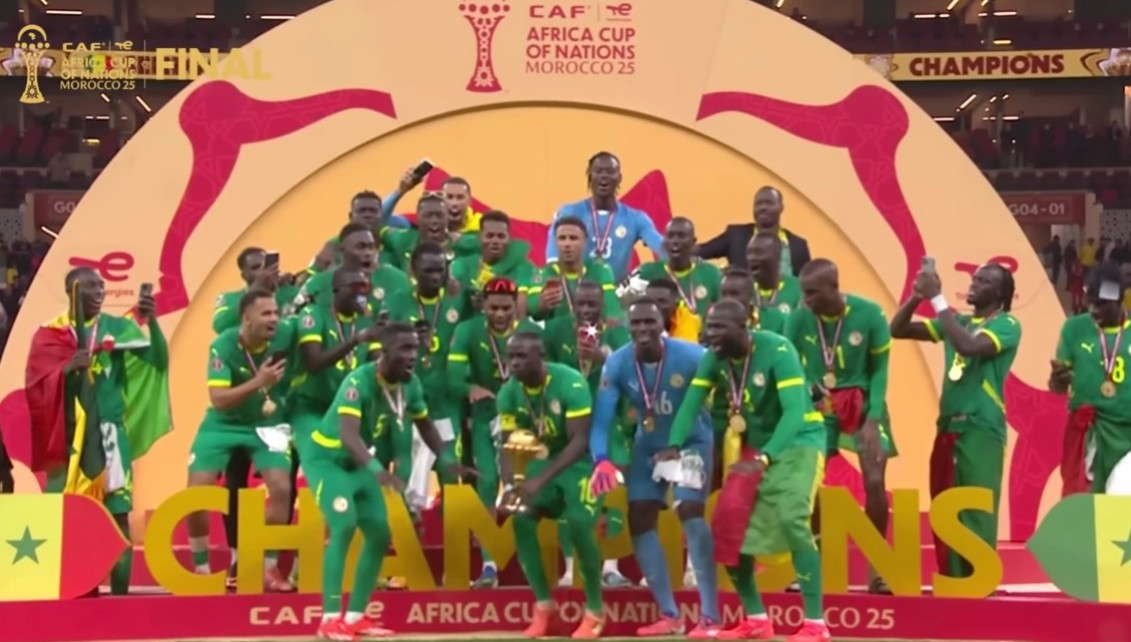
The AFCON 2026 final between Senegal and Morocco will be remembered not only for its footballing quality but also for one of the most controversial endings in the history of the Africa Cup of Nations. What was expected to be a celebration of continental football turned into a night of drama, officiating disputes, and emotional reactions that quickly went viral across the global sports world.
As fans followed the match across television and digital platforms — and betting markets tracked momentum shifts on the best offshore sports betting sites — the final won 1-0 by Seneral in extra time evolved into a defining moment for the tournament’s legacy; a focal point for understanding where African football stands today and where it is heading next.
Final Defined by Tension, Drama, and Key Incidents
From kickoff, the Senegal–Morocco final carried knockout-level intensity. Senegal pressed aggressively early, forcing Morocco into quick build-up play and testing their defensive composure. Morocco responded with patient possession phases, attempting to stretch Senegal’s compact defensive block.
The match reached its boiling point in stoppage time when Morocco was awarded a highly controversial penalty following a VAR review that deemed minimal contact inside the box a foul. The decision sparked immediate protests from Senegal players, coaching staff, and supporters.
Replays showed slight contact, but many analysts and former referees questioned whether it met the threshold for a penalty in a match of such magnitude or not. The VAR check delay further heightened tensions inside the stadium.
Minutes later, frustration reached its peak. Senegal players briefly left the pitch in protest, surrounding match officials before heading toward the tunnel. The unprecedented moment forced security staff and tournament officials to intervene, delaying play and prompting warnings of potential disciplinary action.
After about 15 minutes, Senegal returned to the field to resume the match, but the atmosphere had completely changed. The interruption disrupted the rhythm, drained emotional energy, and created one of the most dramatic scenes ever witnessed in an AFCON final – the penalty miss by Brahim Díaz (some suspect that he chose a Panenka-style kick to allow justice to be served).
Additional incidents followed:
- Multiple heated confrontations between players
- Injury stoppages breaking momentum
- Extended stoppage time due to protests and VAR delays
- A late Senegal attempt ruled out for offside
These moments transformed the final into a high-pressure spectacle that extended far beyond football tactics.
Senegal’s Dynasty Push vs Morocco’s Historic Breakthrough
From a sporting perspective, the final still represented a major clash of African football philosophies.
For Senegal, this final represented another step in building a continental dynasty. It entered the match aiming to continue their dominance built on physical intensity, defensive stability, and tournament experience. Already established as one of Africa’s most consistent tournament performers, a victory further cements its reputation as the team hard to beat in knockout football.
Morocco, meanwhile, entered the final chasing historic validation. After recent strong World Cup performances and steady progress at the AFCON, reaching this final symbolized the culmination of years of investment in youth development, domestic infrastructure, and tactical modernization. Morocco showcased their modern tactical evolution, relying on structured build-up play, compact pressing, and disciplined positional football.
This contrast gave the final extra weight: Senegal playing to protect dominance, Morocco playing to redefine status.
What AFCON 2026 Revealed About African Football
Beyond the final itself, AFCON 2026 offered powerful insights into the state of the African game.
Tactical Evolution Is Real
Teams across the tournament showed improved positional structure, organized pressing systems, and flexible formations. The days of relying solely on physicality are fading. Coaches are now implementing European-style tactical frameworks while maintaining African intensity.
Squad Depth Is Improving
Several nations rotated players without major performance drop-offs. This reflects stronger domestic leagues and better youth pipelines supplying international-quality talent.
Goalkeeper Standards Have Risen
AFCON 2026 featured some of the tournament’s best-ever goalkeeping performances, with multiple match-saving displays in the knockout rounds influencing outcomes.
Infrastructure and Organization Are Advancing
Improved stadium quality, broadcasting production, and match scheduling helped elevate AFCON’s global image. The tournament increasingly resembles elite international competitions in presentation and professionalism.
Officiating and VAR Challenges
While VAR improved decision accuracy, the final showed that transparency and communication remain critical challenges for African football’s organizational credibility.
Overall, AFCON 2026 confirmed that African football is no longer “catching up” — it is actively reshaping its competitive identity on the world stage.
Turning Point for Global Perception
The Senegal vs Morocco final also carried symbolic importance beyond Africa. European clubs, scouts, and global broadcasters closely monitored the match, recognizing AFCON as a talent pipeline rather than merely a regional competition.
The Senegal–Morocco final quickly became one of the most discussed matches of the year on social media. Clips of the penalty decision and Senegal’s temporary walk-off circulated worldwide, drawing attention from international media outlets. Although controversial, the incident underlined AFCON’s growing visibility. Global audiences are no longer passive observers — they are emotionally invested in African football narratives.
Star players from both squads demonstrated that African footballers now arrive tactically polished, physically elite, and mentally prepared for high-pressure environments. This final reinforced AFCON’s growing influence on global football markets and international scouting strategies.
Legacy Impact: More Than Trophy
Regardless of the final scoreline, this match will shape long-term narratives:
- For Senegal, it strengthens its claim as Africa’s modern powerhouse.
- For Morocco, it validates years of strategic reform and continental ambition.
- For AFCON itself, it proves the competition is entering a new era of global relevance and competitive depth.
This final wasn’t just about lifting silverware. It marked a statement moment — one that signals Africa’s rising football identity built on tactical intelligence, infrastructure investment, and international competitiveness.
Final Thoughts
The Senegal vs Morocco AFCON 2026 final will be remembered not only for its dramatic incidents and elite-level football, but for what it symbolized: a continent redefining its football future.
As African football continues to evolve, this final stands as a milestone — a reminder that AFCON is no longer just a regional tournament. It’s becoming one of the most compelling international football stages.
The Senegal vs Morocco AFCON 2026 final will stand as one of the most dramatic chapters in African football history.
FAQ
More tips on Football
Club Atlético de Madrid
Futbol Club Barcelona
Italy

Northern Ireland
Real Madrid Club de Fútbol
Manchester City Football Club
Football Club Lausanne-Sport
Sportovní Klub Sigma Olomouc
Panthessaloníkios Athlitikós Ómilos Konstadinoupolitón

Real Club Celta de Vigo
Fudbalski klub Crvena zvezda
Real Club Celta de Vigo
Fußball-Club Bayern München
Royale Union Saint-Gilloise
Manchester United F.C.
Manchester City F.C.