Senegal Stripped of African Title as Morocco Crowned – Twist Coming Right Up
The 2025 Africa Cup of Nations has taken a dramatic and unprecedented turn, with Senegal officially stripped of its title and Morocco declared champions following a ruling by the Confederation of African Football (CAF). What was once settled on the pitch has now been overturned in the boardroom—sparking one of the most controversial decisions in African and world football history.
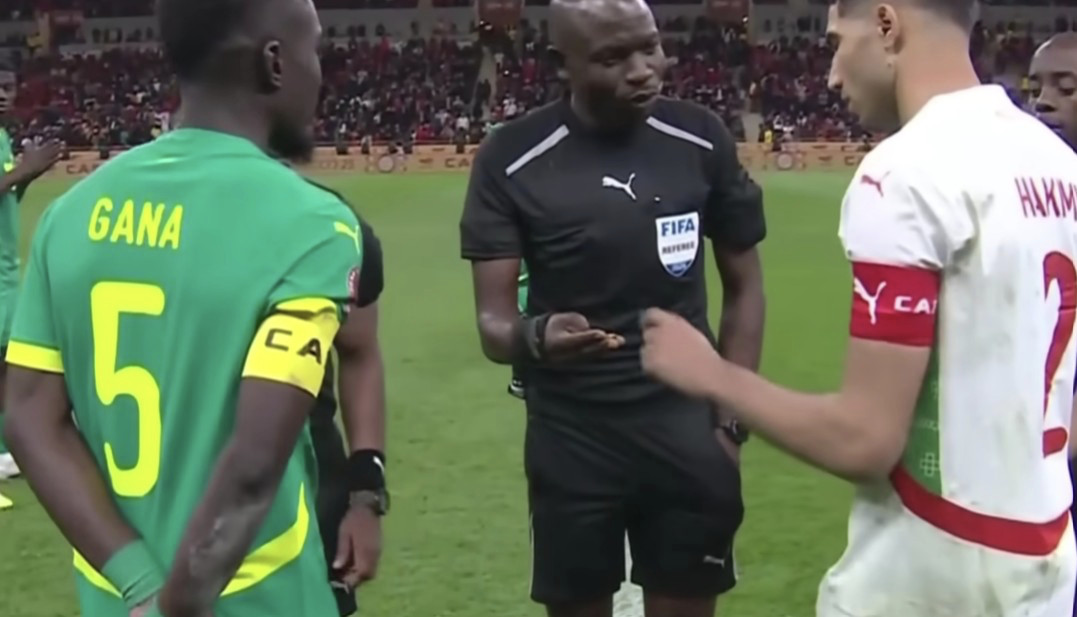
Why Senegal Lost Title
The controversy stems from the chaotic AFCON final played in Rabat on January 18, 2026. Senegal originally won the match 1–0 after extra time, but the game was overshadowed by a heated protest late in regulation time. Following a controversial penalty decision in favor of Morocco, Senegal’s players walked off the pitch in protest, then returned.
CAF’s Appeal Board later ruled that this walk-off constituted a breach of tournament regulations. Under those rules, leaving the field without authorization is treated as a forfeiture. As a result, the governing body overturned the result and awarded Morocco a 3–0 victory, effectively handing them the title.
The decision marks a rare instance in which a major international final has been retroactively decided by disciplinary action rather than the match outcome—setting a powerful precedent for how such incidents may be handled in the future.
Decision That Changes Narrative
For Morocco, the ruling delivers a historic second AFCON title, their first in 50 years. But the manner in which it arrived has divided opinion across the football world.
Rather than celebrating a straightforward triumph, the focus has shifted to governance, refereeing decisions, and the authority of CAF to reinterpret events after the final whistle. Critics argue that overturning a completed match—even one marred by controversy—risks undermining the credibility of competitions.
This broader uncertainty is already influencing how fans and analysts view African football’s regulatory framework and how future disciplinary cases might be judged.
Senegal’s Strong Reaction
Senegal hasn’t accepted the decision quietly. The federation has openly challenged CAF’s ruling, demanding full transparency regarding the appeal process and the legal basis behind the verdict.
According to reports, Senegal views the decision as unjustified and is preparing to escalate the matter to the Court of Arbitration for Sport (CAS). Their stance reflects a deeper concern—not just about losing a title, but about protecting sporting integrity and ensuring consistent application of the rules.
The reaction has also resonated with players and fans, many of whom see the ruling as disproportionate given that the match was ultimately completed.
What This Means Going Forward
This case could become a defining moment for African football governance. If upheld, the ruling reinforces CAF’s authority to strictly enforce regulations, even at the cost of rewriting results. If overturned, it could expose weaknesses in the decision-making process and trigger reforms.
Either way, the implications extend beyond AFCON. From disciplinary standards to VAR controversies and match integrity, the ripple effects could shape how future tournaments are managed—and contested.
For fans following the game closely, developments like this also impact how matches are analyzed, predicted, and even approached from a betting perspective. Platforms offering the best football sportsbook increasingly factor in regulatory risks and off-field decisions alongside on-field performance.
Story Far From Over
While Morocco now stands as the official champion, the debate is far from settled. Senegal’s appeal could prolong the saga for months, keeping the AFCON final in the headlines long after the tournament ends.
What began as a dramatic match has evolved into a landmark dispute—one that could redefine the balance between rules, fairness, and the spirit of the game in African football.

More tips on Football
Real Madrid Club de Fútbol
Manchester City Football Club
Football Club Lausanne-Sport
Sportovní Klub Sigma Olomouc
Panthessaloníkios Athlitikós Ómilos Konstadinoupolitón
Real Club Celta de Vigo
Fudbalski klub Crvena zvezda
Real Club Celta de Vigo
Fußball-Club Bayern München
Royale Union Saint-Gilloise
Manchester United F.C.
Manchester City F.C.
Paris Saint-Germain Football Club
Olympique de Marseille
Ivory Coast
Mozambique