
Serbia’s Home-Soil Triumph Reshapes Europe’s Water Polo Power Map
Serbia’s victory at the 2026 Men’s European Water Polo Championship in Belgrade is more than a home triumph — it marks a shift in Europe’s competitive hierarchy. From changing pre-tournament expectations to Olympic implications and tactical evolution, this title win is reshaping the continent’s water polo power map.
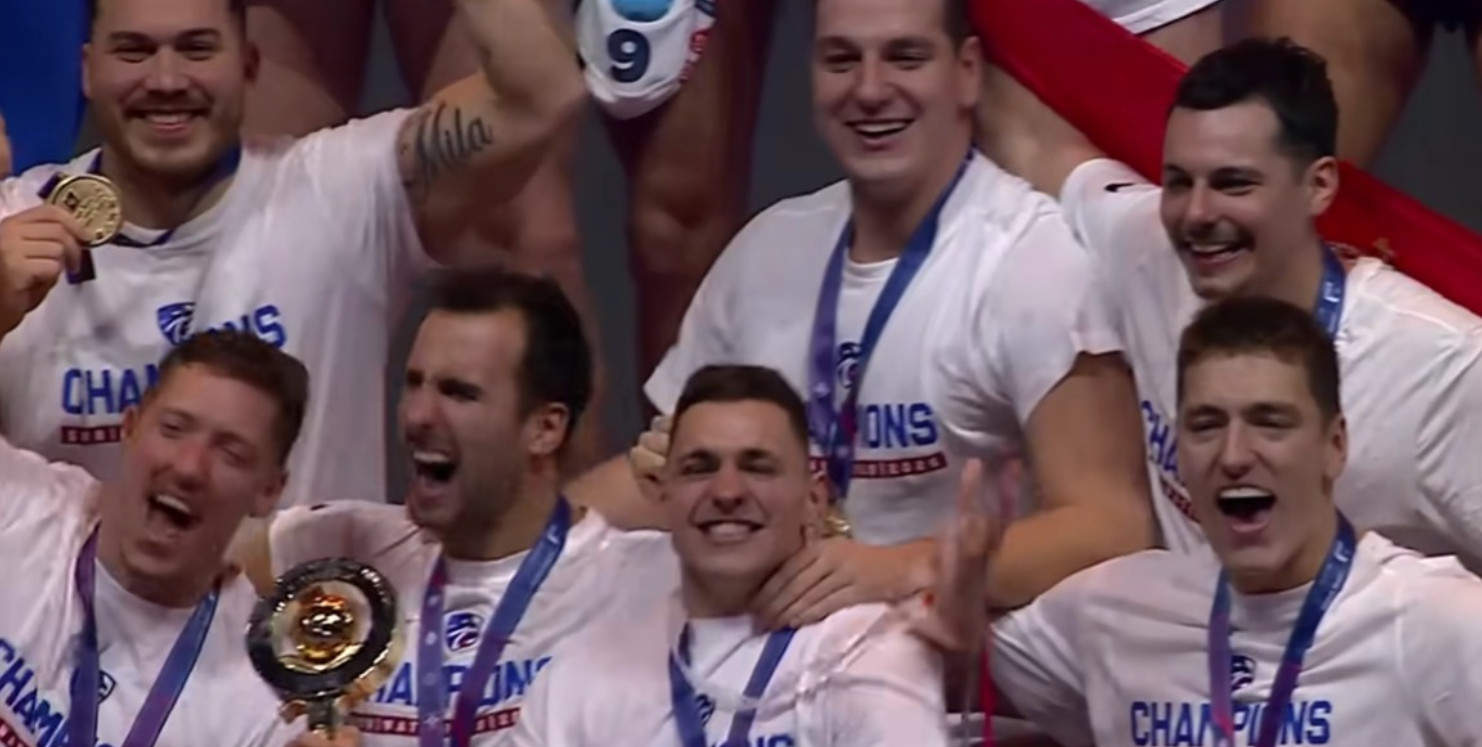
The 2026 Men’s European Water Polo Championship ended in emphatic fashion as Serbia lifted the continental title on home soil, delivering a performance that not only thrilled local fans but also signaled a potential shift in the balance of power in European water polo, a region that’s home to the sport’s best players ever. This was “The Dolphins’” eighth European title overall.
Home Crowd, High Stakes — Serbia Delivered
From the opening whistle to the final buzzer, the Serbian national team approached every match in its capital city with a blend of precision, physicality, and tactical discipline. Unlike some host nations that buckle under pressure, the Serbian squad appeared to channel crowd energy into competitive intensity, finishing the tournament with a powerful 10–7 victory over Hungary in the final, with Dušan Mandić being named MVP.
The result was a culmination of months of preparation, with players and coaching staff emphasizing cohesion and adaptability. For many observers, this win was about more than the trophy — it was a message.
Pre-Tournament Favorites and Expectations
Before the championship began, pre-tournament rankings, expert predictions, and sites from the list of online sportsbooks that gather the best betting operators listed Hungary and Croatia among the frontrunners based on recent performances in international play. Serbia, while respected, was often viewed as a step behind the traditional powerhouses (the group it belongs to), especially given the depth and experience of rival squads.
In water polo — where momentum, defensive strength, and transition speed are crucial — being labeled a “favorite” is less about formal odds and more about consistency over recent seasons. In that context, Serbia’s performance in the early group stages instantly forced analysts to reconsider their projections, especially after a series of commanding defensive displays against top opposition.
This shift in expectations became a central storyline of the championship, with Serbia’s march to the title rewriting many prior assessments about team hierarchies across Europe.
Tactical Evolution on Display
Analysts at the tournament noted a broader trend in how elite teams approached the game: faster transitions from defense to attack, aggressive perimeter pressure, and a greater emphasis on shot blocking and goalkeeper involvement in initiating plays.
Serbia excelled in these areas, combining a disciplined zone defense with opportunistic counterattacks. The team’s ability to adapt mid-game — switching defensive schemes and exploiting opponent weaknesses — stood out as a defining factor in both the semifinal and final matches.
Coaches from rival teams noted that this tactical flexibility may well influence how national programs across Europe approach training in the months leading up to the 2028 Olympic cycle.
Hungary’s Silver Raises New Questions
Hungary, a storied water polo nation with a rich history of success, entered the tournament with high expectations. Their run to the final was impressive, but the loss to Serbia highlighted some vulnerabilities — particularly in closing out tight matches and containing Serbian counterattacks.
Rather than diminishing Hungary’s stature, however, the final served as a reminder that the margins between elite squads are razor-thin and that continuous evolution is necessary to stay at the top.
Looking Ahead: Olympic Cycle Stakes
With the Paris 2024 Olympics long past and the next Games still two years away, Serbia’s triumph in Belgrade may be seen as an early defining moment in the 2026–2028 international cycle. Teams now have clear benchmarks to measure themselves against, and the tactical trends visible in this championship are likely to influence training programs across Europe.
For Serbia, the victory is both a source of national pride and a platform for future campaigns — one that reshapes expectations and challenges rivals to keep pace.

FAQ
More tips on Water polo
Montenegro
Greece