
Irony At Its Best: Philipp Raimund Overcomes Fear of Heights to Claim Olympic Gold – in Ski Jumping
In one of the standout stories of the 2026 Winter Olympics in Milano-Cortina, German ski jumper Philipp Raimund stunned the winter sports world by capturing gold in the men’s normal hill event — despite publicly battling a fear of heights that has dogged him throughout his career.
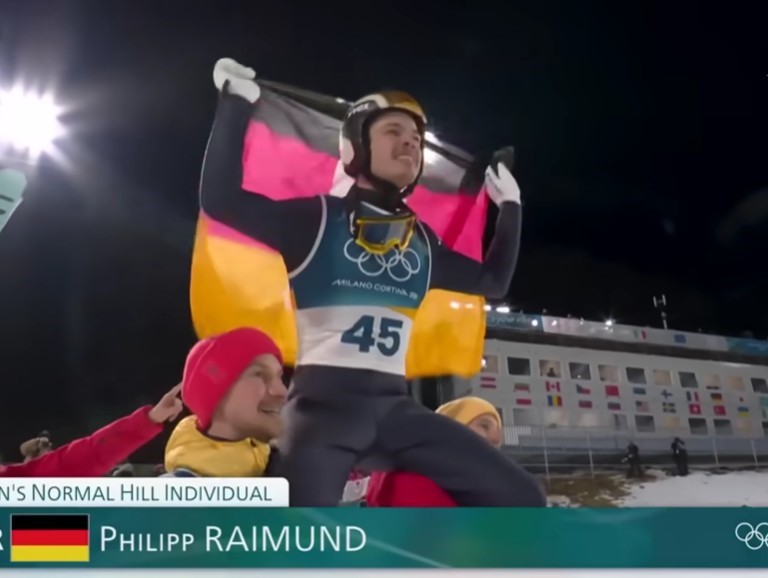
On Monday evening at the Predazzo Olympic Ski Jumping Stadium, Raimund soared to victory with a final leap of 106.5 metres, earning a total of 274.1 points and edging out a strong field of elite international rivals.
The win was historic: it marked Raimund’s first Olympic medal and one of the most unexpected gold-medal performances of the Games. Polar opposite to the usual “fearless fly-high” ski jumper stereotype, Raimund has openly acknowledged his fear of heights — a personal battle that has shaped his sporting journey.
Career Defined by Height and Hesitation
Ski jumping is a sport that pushes athletes to launch themselves off towers hundreds of feet above the ground, flying through the chilly alpine air at high speeds before landing precisely on a long, steep slope. For most jumpers, the mental game is as intense as the physical — but for Raimund, the psychological challenge has been uniquely personal.
Throughout his career, he has spoken candidly about struggling with discomfort at high elevations, particularly outside of competition. In March 2025, he even withdrew from a World Cup ski flying event — an even larger version of the sport that launches athletes from heights far beyond the normal hill — because of the physical anxiety his fear triggered.
But the normal hill at the Olympics proved different. With careful mental preparation, support from his coaching staff, and a focus on disciplined technique, Raimund delivered two near-perfect jumps, first securing a strong lead and then sealing the gold medal with a controlled, confident final effort.
Olympic Glory Despite Inner Struggle
As the underdog in the field, Raimund’s triumph captivated fans because it was not just an athletic achievement but a psychological breakthrough.
“It was unbelievable, incredible,” Raimund said afterwards, reflecting on what it meant to stand atop the podium. “I’m extremely proud of myself that I could do two amazing jumps and stand on top at the end.”
He credited his performance to a strong support team — including his coach, training staff, and personal circle — who helped him manage pressure and anxiety. His ability to compartmentalise fear and focus on execution under intense Olympic scrutiny was a defining factor in his success.
Also notable was the performance of other competitors. Kacper Tomasiak of Poland earned silver in his first Olympic appearance, while Ren Nikaidō of Japan and Gregor Deschwanden of Switzerland shared the bronze podium positions. Out of these, only Nikaidō was among the top-3 placement contenders at the Winter Olympics online bookmakers’ betting markets.
Redefining Limits of Mental Strength
Raimund’s victory has sparked conversation across the ski-jumping community and beyond about the often-unseen mental dimensions of elite sport.
Psychologists and sports experts point to Raimund’s example as a powerful case study in performing under pressure. Even athletes in sports that demand fearlessness — like ski jumping — can carry personal insecurities, and success often depends on how they manage them.
In a sport where fractions of a point and centimetres of distance matter, winning gold usually reflects technical precision, physical conditioning, and mental resilience. With Raimund, all three were on full display.
What Raimund’s Story Taught Us
While some may focus on the headline “fear-of-heights ski jumper wins gold,” the deeper story is that of a 25-year-old athlete turning a personal challenge into a historic achievement. As the Milano-Cortina Games continue, Raimund’s win stands as a reminder that courage in sport isn’t the absence of fear — it’s the ability to rise above it.

More tips on Olympiad



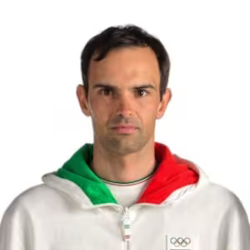
Andrea Giovannini
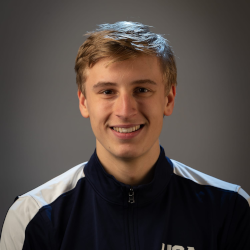
Jordan Stolz
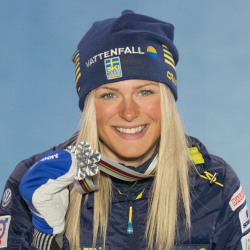
Frida Karlsson
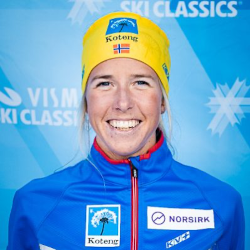
Astrid Øyre Slind
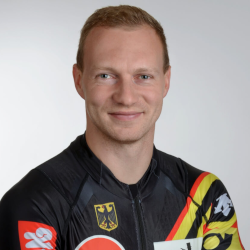
Francesco Friedrich
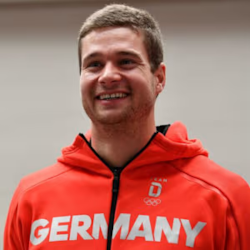
Johannes Lochner

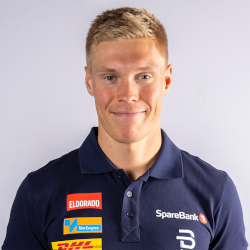
Martin Løwstrøm Nyenget
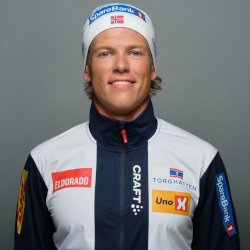
Johannes Høsflot Klæbo