

ATP’s Game-Changer: New Rules to Protect Tennis Players Starting in 2026
The ATP Board of Directors agreed to put new rules for male tennis players into effect starting with the 2026 season. These new rules will be used to run matches in ways that many top competitors in the sport have complained about in the past, especially this year.
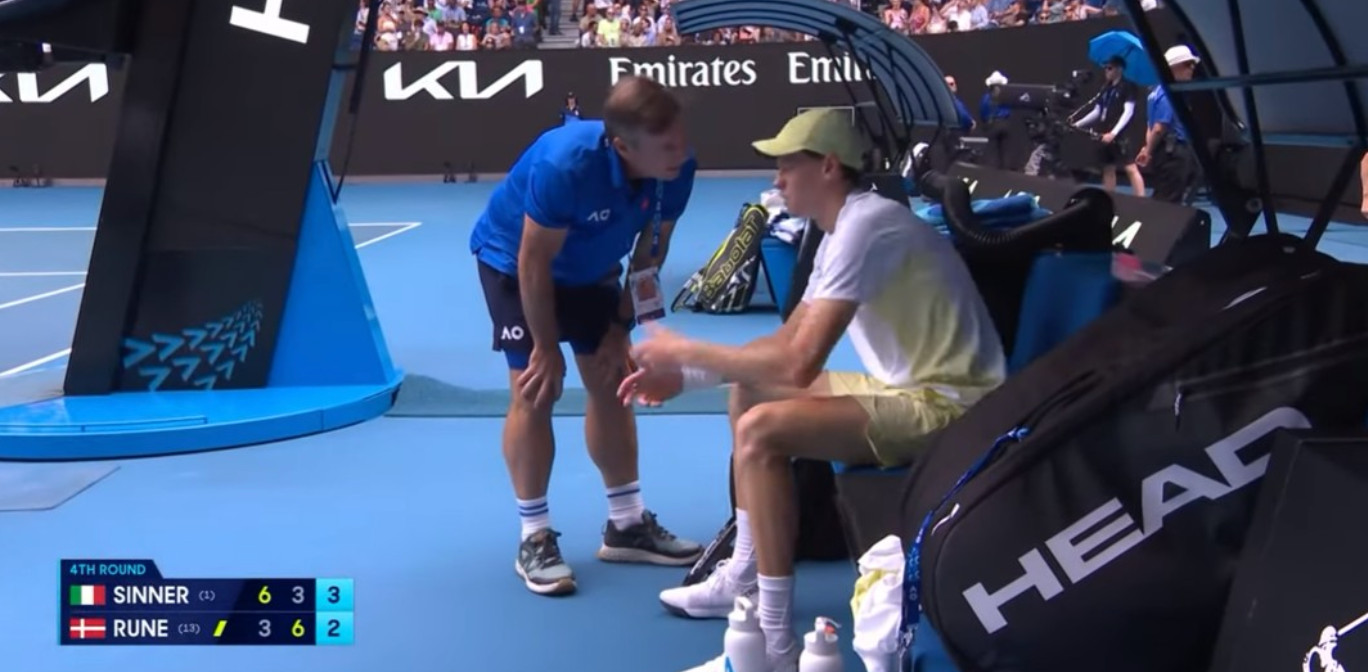
The ATP Tour (top-tier tennis tour for men) has moved decisively to protect players from extreme heat after a grueling 2025 season marked by intense temperatures, humidity, and dramatic on-court collapses. Starting in the 2026 season, the men’s professional circuit will implement a formal heat rule, bringing the ATP (Association of Tennis Professionals, the governing body of the men’s professional tennis circuits) in line with that of women, i.e., WTA (Women’s Tennis Association), and other major tennis bodies.
What’s Changing? Key Measures in ATP Heat Policy
With temperatures and humidity levels climbing across many tournament locations, players and officials have pushed for structured rules to address heat stress — and the ATP has finally responded:
Cooling Breaks Introduced
Under the new policy, if the Wet Bulb Globe Temperature (WBGT) — an index that combines air temperature, humidity, wind, and radiation — reaches 30.1°C or higher during the first two sets of a best-of-three match, either player can request a 10-minute cooling break after the second set. These breaks allow players to rehydrate, change clothing, take a shower, and receive coaching under the supervision of ATP medical staff.
Match Suspension Threshold
Should the WBGT exceed 32.2°C, play will be suspended entirely. Matches will pause at the end of the current game or tiebreak, with players taken to a cooling zone until conditions improve.
Safety for Everyone Involved
The heat policy isn’t just about player comfort — it’s designed to enhance conditions for spectators, officials, ball persons, and tournament staff who also endure long hours in demanding weather.
Why This Rule Matters Now
The move comes after several high-profile incidents during the 2025 season. At the Shanghai Masters, intense heat and humidity — sometimes over 34°C with humidity above 80% — forced multiple players to retire mid-match, including top stars like Jannik Sinner and Novak Djoković. Some competitors reportedly vomited or suffered severe cramps, sparking urgent calls for regulatory change.
World No. 15 Holger Rune was among those who openly questioned the lack of formal protection, famously asking, “Do you want a player to die on court?” — a stark reminder of how dire conditions became.
The governing body’s decision now aligns the ATP with existing extreme-heat protocols used by the WTA since the early 1990s and policies employed at the Grand Slam tournaments.
Broader Impact on Tour
Beyond player welfare, the new heat rule could influence scheduling decisions, particularly at events in traditionally hotter climates. Tournament organizers may adjust start times or match orders to minimize heat exposure, while players may start to factor weather conditions more strategically into their preparations.
For fans curious about how environmental factors and player form intersect — and how these trends might influence wagering markets — exploring resources like the best tennis bookies can provide insights into where heat and match outcomes intersect in odds patterns.
To sum up, the ATP’s new heat rule represents a significant step forward for player safety and the modernization of tennis amid rising global temperatures. As the sport evolves, further adjustments may be on the horizon — all with the aim of keeping the thrill of competition balanced with the well-being of athletes.
FAQ
More tips on Tennis







Stefanos Tsitsipas

Roberto Bautista Agut

Coco Gauff

Sofia Kenin

Aryna Sabalenka

Madison Keys



Jannik Sinner

Tomáš Macháč