
What’s the Deal with the Quality of Olympic Medals in the Last 2 Years?

Contents
Best Bookmakers for United States





KEY TAKEAWAYS:
- Olympic medals are becoming richer in symbolism, but recent issues show that durability is starting to lag behind meaning.
- Issues in Paris and Milano-Cortina don’t feel like one-off slip-ups anymore; they point to something bigger not quite working behind the scenes.
- When medals break or wear out, it naturally makes people question what the Olympics want these objects to stand for in the long run.
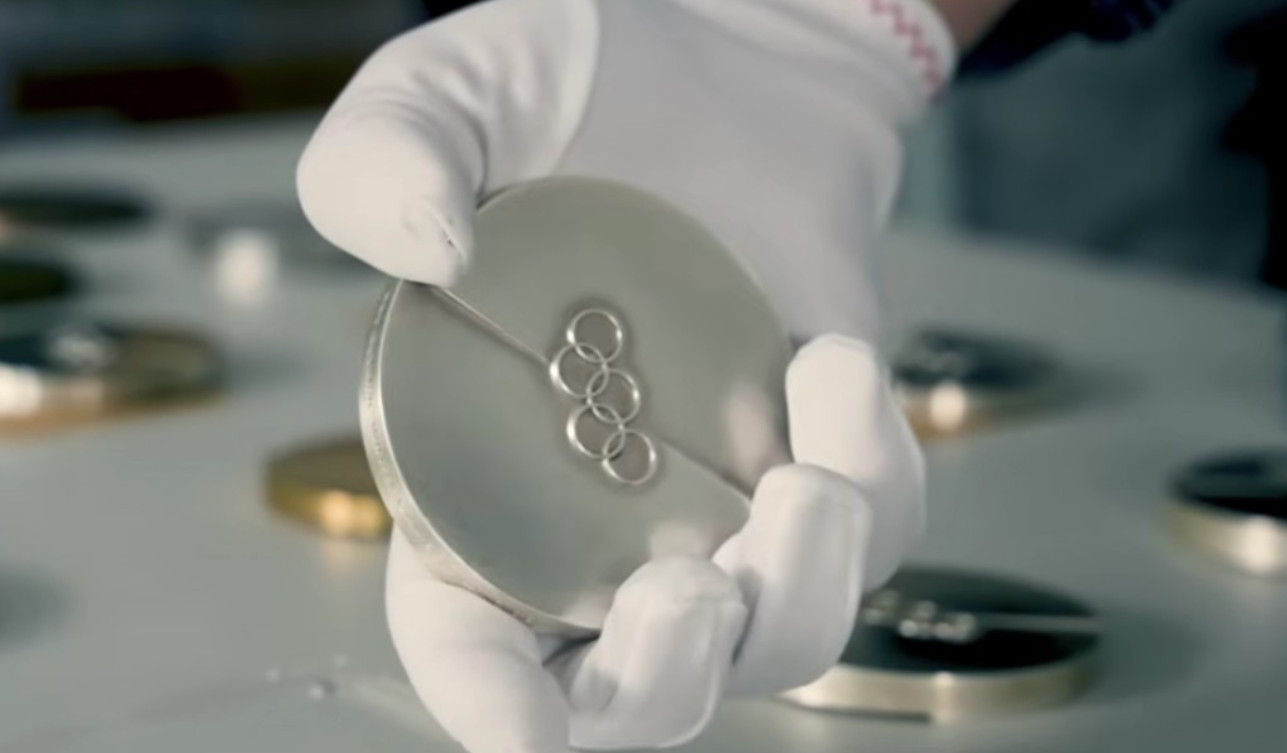
It’s made people stop and wonder how these medals are actually made, tested, and treated in the first place. For example, medals from the Paris 2024 Games started to tarnish just weeks after the games, and medals from the Milano-Cortina 2026 Winter Olympics broke during celebrations. What should’ve been things that last forever have become weak talking points.
Medals from Paris 2024 That Didn’t Last Long
After the Paris 2024 Olympic Games were over, participants started to notice something strange about their medals. Especially bronze and silver medals revealed clear symptoms of corrosion, discoloration, and surface degradation much sooner than anyone thought they would. Some winners said they saw changes in a matter of weeks, not a year, which made them wonder how a brand-new Olympic gold could get worse so soon.
As more athletes talked about their experiences in public, the problem got worse. Requests for replacements started to pile up, and it quickly became clear how big the problem was. The medals were supposed to carry extra meaning. Each one included a small piece of iron taken from the Eiffel Tower, a nod to Paris and its history. On paper, it sounded like a beautiful idea. In reality, it didn’t quite hold up. Whatever was meant to protect the metal didn’t do its job, and signs of wear started showing far earlier than anyone expected.
When the International Olympic Committee (IOC) said in early 2025 that damaged medals would be replaced and an investigation had started, it addressed the technical side of the problem. But for many athletes, the issue wasn’t just cosmetic. Watching something that was meant to last a lifetime start to fade so quickly took away part of what the medal was supposed to represent.
A gold that rapidly loses its shine goes against the concept that winning an Olympic medal means anything permanent. Some winners were left with things that already felt fragile instead of a keepsake for life.
Milano-Cortina 2026: When Medals Really Broke
If Paris was worried about how long the Olympic honors would last, the Milano-Cortina 2026 Winter Olympics brought up a more urgent and shocking problem. Several athletes said their medals broke while they were celebrating or simply moving around as anyone would. Some medals came off their ribbons, while others broke at the spots where they were attached, sometimes on the same day they were given.
These events happened in public, were filmed, and were posted on social media. After moments of victory, there was confusion as competitors saw that the “trophy” they had won had broken. Organizers moved quickly once the issue became public, promising to repair or replace the medals and to take a closer look at the design.
Early on, attention turned to the attachment itself. Today’s medals are often designed with breakaway parts to avoid injuries if a ribbon gets caught. The downside is that this safety feature may have made the medals less sturdy than anyone anticipated. This method may have hurt durability, even if it was meant to help. The Paris medals showed their weaknesses over time, but the Milano-Cortina medals showed theirs right away, in front of the whole world.
For viewers who were interested in more than just the contests, which were ongoing at the time this article was written, including the stories about form, pressure, and results – including talks about betting markets for the Winter Olympics – the medal problems brought an unexpected twist to the Games’ story. The medals themselves added to the drama.
What’s Going on Right Now?
It makes sense that people would have questions when there are medal difficulties at both the Summer and Winter Games so close together. Olympic medals have always sat at the intersection of history, symbolism, and practical manufacturing. Lately, though, it feels like that balance has slipped.
Design choices meant to make medals feel special — like historic materials or unique details — can also create weak spots. On top of that, modern safety rules and tight deadlines don’t always leave much room to make every part as strong as it could be. When athletes celebrate, fall, hug teammates, or move at full speed, even small flaws become obvious very quickly.
Hosting today’s Olympic Games adds another layer of pressure. Medals have to be produced in large numbers, delivered on strict deadlines, and meet legal, ceremonial, and branding expectations all at once. In that environment, a minor quality-control issue can turn into a very public problem.
Pros and Cons of Modern Olympic Medal Design
These pros and cons focus on how modern Olympic medals are designed and made, not on the performances behind them.
| Pros | Cons |
| Medals feel more connected to the host city – Using local or historic materials gives each medal a story and makes it feel tied to a specific place and moment, not just another edition of the Games. | They don’t always hold up over time – Olympic medals are meant to last for decades, but some recent ones have shown wear or damage far sooner than anyone expected. |
| Safety is taken more seriously than before – Breakaway ribbons and lighter attachments are meant to prevent accidents during emotional ceremonies and celebrations. | Meaning sometimes comes at the cost of strength – Features added for symbolism or safety can introduce weak points that make medals easier to damage. |
| Problems weren’t brushed aside – Organizers and the IOC acknowledged the issues quickly and offered repairs or replacements instead of ignoring athlete complaints. | Awkward moments for athletes – Realizing a medal is damaged during celebrations can take away from what should be a flawless, once-in-a-lifetime moment. |
| It’s opened up a necessary conversation – The situation has pushed people to rethink what Olympic medals should be and how they should be made in the future. | Confidence in quality control has taken a hit – When similar problems show up at back-to-back Games, it’s hard not to question how thoroughly medals are tested. |
Questions Worth Asking
Put together, these medal problems feel like more than technical slip-ups. They raise a bigger question about what Olympic medals are supposed to stand for — and whether that feeling of permanence really survives once the Games are over.
What should an Olympic medal represent physically? An Olympic medal isn’t just something you collect at the end of a race or match. It turns into a personal marker of a moment that changed an athlete’s life. Some keep their medals tucked away for years, others pass them down or put them on display as quiet reminders of what they managed to achieve. When a medal starts to fade or even breaks not long after it’s awarded, it feels out of step with the idea that Olympic success is meant to last forever. If the achievement itself lasts forever, it’s fair to ask whether the object meant to represent it should be built to last just as long.
Is durability being put on the back burner in favor of symbolism and storytelling? In recent Games, designers have leaned heavily into symbolism, using historic materials and unusual attachment ideas. Those choices add story and meaning, but they can also make the medals less practical in everyday use. The dilemma is whether visual storytelling has become more important than the core idea that a medal should last through normal use, celebration, and time.
Do today’s safety and production standards make it harder to make things of high quality? Medals made nowadays have to meet safety standards, follow the law, and be made quickly and in large quantities. Breakaway ribbons or lighter attachment points may make one region safer while making another area more dangerous. This makes us wonder if the rules we have now are gradually changing medals in ways that make them less durable.
Should athletes have more say in how medals are made? After the closing ceremony, athletes are the ones who have these medals. They wear them, take them on trips, and often keep them as family treasures. If medals aren’t working in real life, it could be worth wondering if athletes should have more say in how medals are made, tested, and approved before they ever get to the podium.
Final Remarks
In just two years, Olympic medals have gone from being silent signs of success to being involved in scandals. Paris 2024 showed how rapidly medals can get damaged, while Milano-Cortina 2026 showed how readily they can break. These experiences together make us question everything we thought we knew about what an Olympic medal is.
What happens on the field, ice, and snow will always be the most important thing. But when the things designed to stand for those performances don’t work, they make us talk about something that is uncomfortable but vital. If the Olympics are about quality, longevity, and legacy, then maybe the medals should show those ideals more clearly than they have been doing lately.
Frequently Asked Questions
Latest Tips
Atlanta Braves vs Cleveland Guardians Prediction on April 10, 2026
Here’s a breakdown of the Atlanta Braves vs. the Cleveland Guardians regular-season matchup for the 2026 Major League Baseball, focusing on the first game of the series on Friday, April 10, 2026. Th...
Read More
XRock vs Wolves Esports Prediction on April 9, 2026
This is a meaningful regular-season match because it pairs a mid-table side still trying to steady its campaign with one of the stronger teams in the field – both Chinese sides – in a bo5. The Sprin...
Read MoreKT Rolster vs Nongshim RedForce Prediction on April 9, 2026
This early-season matchup in the League of Legends Champions Korea (LCK) is more important than it might look at first glance. In a format where every best-of-three series contributes directly to gr...
Read MoreTop Esports vs Invictus Gaming Prediction on April 4, 2026
TES vs Invictus Gaming is an important early match in LPL 2026 Split 2, even if it comes in Week 1. Split 2 puts the League of Legends Pro League’s (the top-level professional league for League of L...
Read MoreLatest News
“Ruler” Hit with Tax Evasion Fine — What Happens Next for LoL Superstar?
One of League of Legends’ most recognizable names has unexpectedly found himself in controversy. Park “Ruler” Jae-hyuk has been fined following a tax dispute in South Korea, and while the financial si...
Read MoreAlberta Prepares to Launch New iGaming Market — What It Means for Sports Betting
Alberta is on the verge of a major shift in its gambling landscape, as the province moves closer to launching a fully regulated iGaming and online sports betting market. Long dominated by a single gov...
Read MoreCS2 Player “nifee” Banned for Match-Fixing — Handed Down 4-Year Suspension
The Counter-Strike 2 scene has been hit by another integrity scandal, with Dmytro “nifee” Tediashvili receiving a four-year ban after an ESIC investigation uncovered match-fixing activity tied to bett...
Read MoreSteven Gerrard Joins WE88 as Global Ambassador Ahead of World Cup 2026
Football icon Steven Gerrard is stepping into a new role off the pitch, joining WE88 as a global brand ambassador in a move that aligns closely with the build-up to the 2026 FIFA World Cup. The former...
Read More