The Science of Tilt: Which Dota 2 Heroes Trigger the Most Rage and Why

Contents
- The Science of Tilt: Which Dota 2 Heroes Trigger the Most Rage and Why
- Toxicity in Hero Choice: The Reddit Perspective
- High-Skill Heroes: Complexity Breeds Frustration
- Annoying Mechanics: Heroes That Tilt Through Design
- Passive Snowballers and Role Violators
- The Root of Rage: Dota’s Toxic Psychology
- Summary: Why These Dota 2 Heroes Trigger Rage
- Pros and Cons of Rage-Inducing Dota 2 Heroes
- Final Thoughts
- FAQs
Best Bookmakers for United States





KEY TAKEAWAYS:
- Certain Dota 2 heroes like Pudge, Invoker, and Techies consistently trigger the most rage due to their complex mechanics and disruptive playstyles.
- Hero roles and player behavior—such as supports building core items or snowball heroes ignoring team play—often fuel frustration within teams.
- The emotional intensity of Dota 2, amplified by competition and community dynamics, makes understanding rage-inducing heroes key to a better game experience.
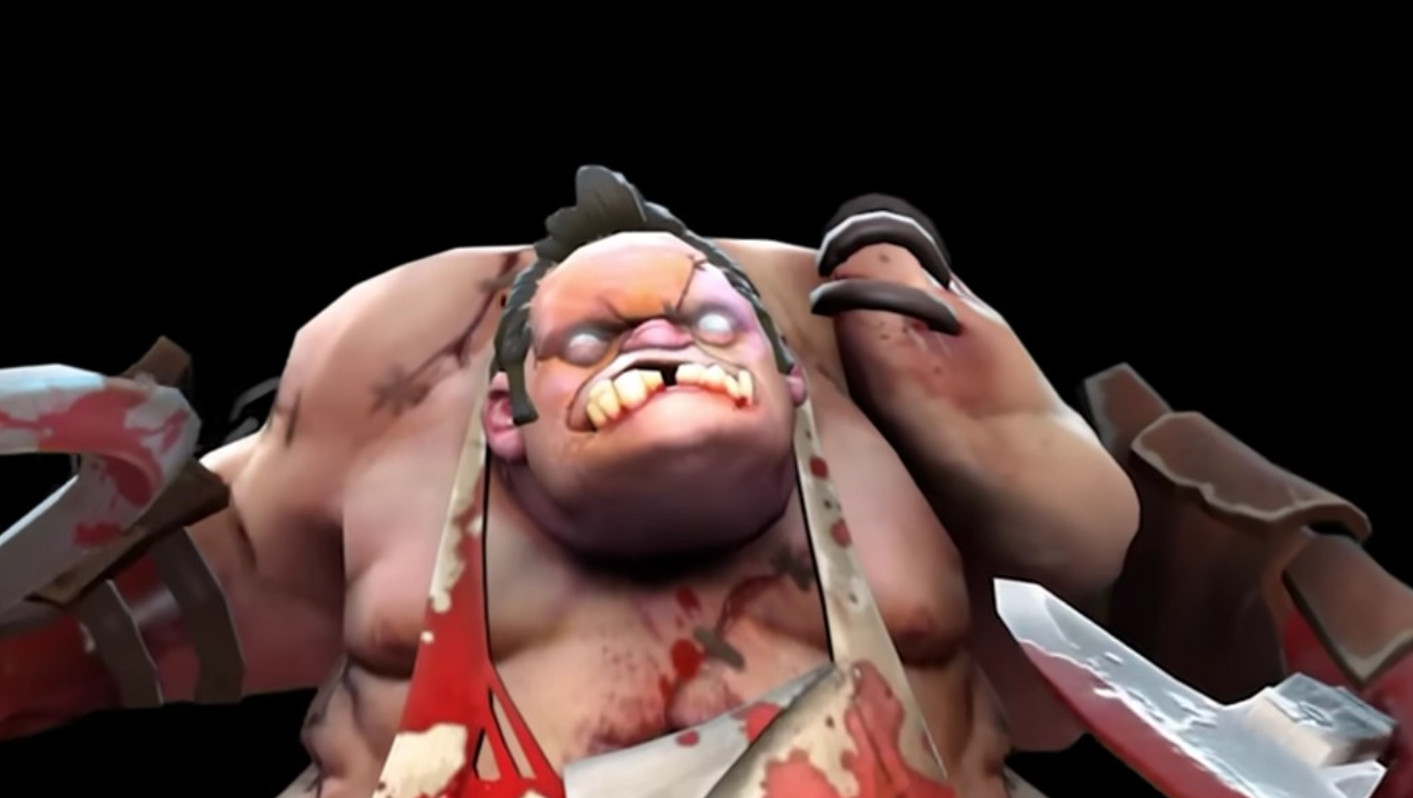
Dota 2’s competitive nature and complex gameplay often spark intense emotions. Certain heroes—due to their mechanics, perceived player behavior, or psychological impact—are especially notorious for provoking rage. This article draws on online forum discussions, such as Reddit, and expert commentary to explore which heroes trigger the most frustration and why.
Toxicity in Hero Choice: The Reddit Perspective
Players frequently express anger toward certain Dota 2 heroes not because of their mechanics, but due to the frustration they evoke in teammates or opponents.
Support Roles Under Fire
When playing support, players often feel blamed regardless of their contributions.
One user noted that even with healing, warding, and assists, supports get criticized: “When playing support, you usually get blamed, because you don’t have so many kills… no matter how much you heal, give mana, push lanes, ping runes, place wards or assist.”
Ego and Frustration Fueling Toxicity
Many players vent accumulated stress through the game.
One comment describes how life frustrations can be offloaded in Dota: “Because people use the game to unleash their built-up frustration on strangers… he comes home, fires up an online game… tells random strangers to get cancer.” Others discuss how the game’s design—dependence on teammates and visible mistakes—enables tilt: “Dota is basically perfectly engineered to tilt people… this feeling of being helpless… is what makes people angry.”
Time Investment and Match Length
Long games intensify frustration.
One user explains: “Each loss that takes 40 minutes is double its time just to break even in MMR… it wastes one hour and 20 minutes of your life.”
These sentiments illustrate how hero picks can become symbols of frustration, especially when players feel helpless, blamed, or time-wasted.
High-Skill Heroes: Complexity Breeds Frustration
Certain Dota 2 heroes are notoriously difficult to master, making mistakes more likely—and rage more frequent.
- Invoker
Frequently cited as the hardest hero, Invoker has 10 spells derived from three orbs. Mastery demands rapid decision-making and mechanical precision. - Meepo
Known for extreme micro demands, Meepo requires controlling multiple clones simultaneously—if one dies, they all die. This all-or-nothing mechanic makes him unforgiving. - Arc Warden
His Tempest Double creates a clone with full abilities and items, doubling the control and decision pressure—excellent in the hands of experts, overwhelming otherwise. - Chen, Earth Spirit, Visage, Puck, Tinker, Naga Siren
These heroes demand high micro, game knowledge, or multitasking, adding layers of complexity that can frustrate players and observers alike.
Annoying Mechanics: Heroes That Tilt Through Design
Some Dota 2 heroes irritate opponents through oppressive or tedious mechanics:
- Venomancer
Though not directly cited in the sources available, Reddit discussions often rank Venomancer among heroes considered “toxic” due to persistent poison damage that drags out fights and frustrates opponents. - Techies & Riki
Techies’ traps and stealth-based heroes like Riki are classic rage-inducers—more for psychological tilt than outright toxicity.
Passive Snowballers and Role Violators
Players often resent heroes perceived as selfish or uncooperative:
- Anti-Mage, Sniper, Outworld Devourer (OD)
These heroes can snowball quietly, farming until they dominate. One player commented on OD mid picks: “When I see an OD mid, I know I’m in for a toxic game filled with BM tips, pause, and trash talking.” Anti-Mage is often derided for split-pushing and minimal team interaction. - Support builds that break norms
Support Hoodwink players building core items like Maelstrom or Daedalus, or Nyx Assassin pos4 rushing Dagon, frustrate teammates by neglecting essential support duties—breaking team cohesion and expectations.
The Root of Rage: Dota’s Toxic Psychology
Beyond hero-specific rage, the game’s environment itself fosters frustration:
High emotional stakes: A Reddit user shared how, as soon as they “start playing badly, people start calling me names, yelling, screaming,” even in casual matches.
- Frustration and time loss: As said, users lamented how a 40-minute loss wastes not just time, but MMR progress.
- Game design encourages tilt: Redditors often note that Dota’s reliance on teammates and visible mistakes makes it “perfectly engineered to tilt people.”
- Normalized toxicity: Players often internalize toxic behavior, with one stating: “Toxicity is normalized because most Dota players see themselves as temporarily embarrassed TI winners… the general behavior of their idols on stream… reinforces this belief.”
The Dota 2 community extends well beyond casual play. As the game’s eSports scene grows, so too does the intensity of competition and the emotions involved. Many fans and bettors follow tournaments closely—often visiting an eSports betting site to place wagers on their favorite teams or predict which heroes will shape the outcome of high-stakes matches. The excitement and tension of professional play can amplify the rage and celebration felt by millions of fans worldwide.
Summary: Why These Dota 2 Heroes Trigger Rage
Across hero types, several themes emerge:
- Complexity and mistakes: High-skill heroes like Invoker and Meepo make errors more likely and visible, triggering frustration.
- Annoying mechanics: Persistent damage or stealth (Venomancer, Riki) irritates through gameplay, not behavior.
- Role disruption: Support heroes adopting core item builds or ignoring their role (Hoodwink, Nyx) upset team dynamics.
- Passive snowballing: Heroes like AM or OD farm quietly, making games feel slow or uninteractive.
- Psychological Pressure: Dota’s design—long matches, visible failure, team dependency—amplifies emotional responses.
Pros and Cons of Rage-Inducing Dota 2 Heroes
| PROS | CONS |
| Skill expression: Complex heroes let skilled players shine and create memorable moments. | Toxic player behavior: Certain heroes attract more toxic and egotistical players. |
| Strategic depth: Rage-inducing heroes force teams to adapt, keeping gameplay fresh. | Team frustration and blame: Underperforming or selfish picks often lead to increased team blame. |
| Entertainment value: Dramatic plays and emotional moments engage both players and spectators. | Steep learning curve: Difficult or disruptive heroes can discourage newer or casual players. |
Final Thoughts
Dota 2 is as much a game of psychology as it is a game of strategy. Heroes that spark rage often do so because they tap into deeper frustrations—ego, helplessness, or broken expectations. Whether through mechanical complexity, gameplay design, or social dynamics, understanding which heroes trigger the most rage can help players approach the game with more empathy—and maybe a mute button ready.
Frequently Asked Questions
Latest Tips
Karmine Corp vs Team Vitality Prediction on March 28, 2026
The Karmine Corp vs Team Vitality match for the LEC 2026 Spring matters right away, as it’s one of the two League of Legends EMEA Championship splits that sends teams to MSI, with the two Spring fin...
Read More
ENTER FORCE.36 vs ONIC Rise Prediction on March 28, 2026
The matchup between ENTER FORCE.36 and ONIC Rise marks a high-stakes opening (upper bracket round 1) for the Pokémon UNITE Asia Champions League 2026 finals. For fans looking to back their favorite ...
Read MoreItaly vs Northern Ireland Prediction on March 26, 2026
This is a men’s football single-leg Path A semi-final (listed as semi-final 1) in UEFA’s second round of the 2026 FIFA World Cup qualification, i.e., the playoffs. The winner advances to the Path A ...
Read MoreArizona vs Arkansas Prediction on March 26, 2026
The 2026 NCAA Division I men’s basketball tournament matchup between the Arizona Wildcats and the Arkansas Razorbacks brings together two of college basketball’s most explosive programs. For fans lo...
Read MoreLatest News
Formula 1 Enters Betting Era with Betway Partnership Ahead of 2026 Season
Formula 1 is stepping into a new phase of its global growth, announcing Betway as the sport’s first-ever official betting operator in a multi-year deal starting from the 2026 season. The agreement sig...
Read MoreDraftKings Rolls Out “Super App” – Unified Platform for Changing Sports Betting
DraftKings has introduced a new all-in-one “super app,” aiming to bring together its sportsbook, casino, and digital offerings under a single, streamlined platform. The move comes at a pivotal moment ...
Read MoreSenegal Stripped of African Title as Morocco Crowned – Twist Coming Right Up
The 2025 Africa Cup of Nations has taken a dramatic and unprecedented turn, with Senegal officially stripped of its title and Morocco declared champions following a ruling by the Confederation of Afri...
Read MoreUFC and bet365 Strike Landmark Sports Betting Partnership in U.S. and Canada
The Ultimate Fighting Championship (UFC) has announced a major new partnership with global sportsbook bet365, marking a significant shift in the sports betting landscape surrounding mixed martial arts...
Read More